Technology
Cybersecurity Partnership Targets Open-Source ECU Security
VicOne and VinCSS collaborate to harden open-source ECUs, impacting how independent tuning businesses navigate smart vehicle security and ISO 21434 standards.
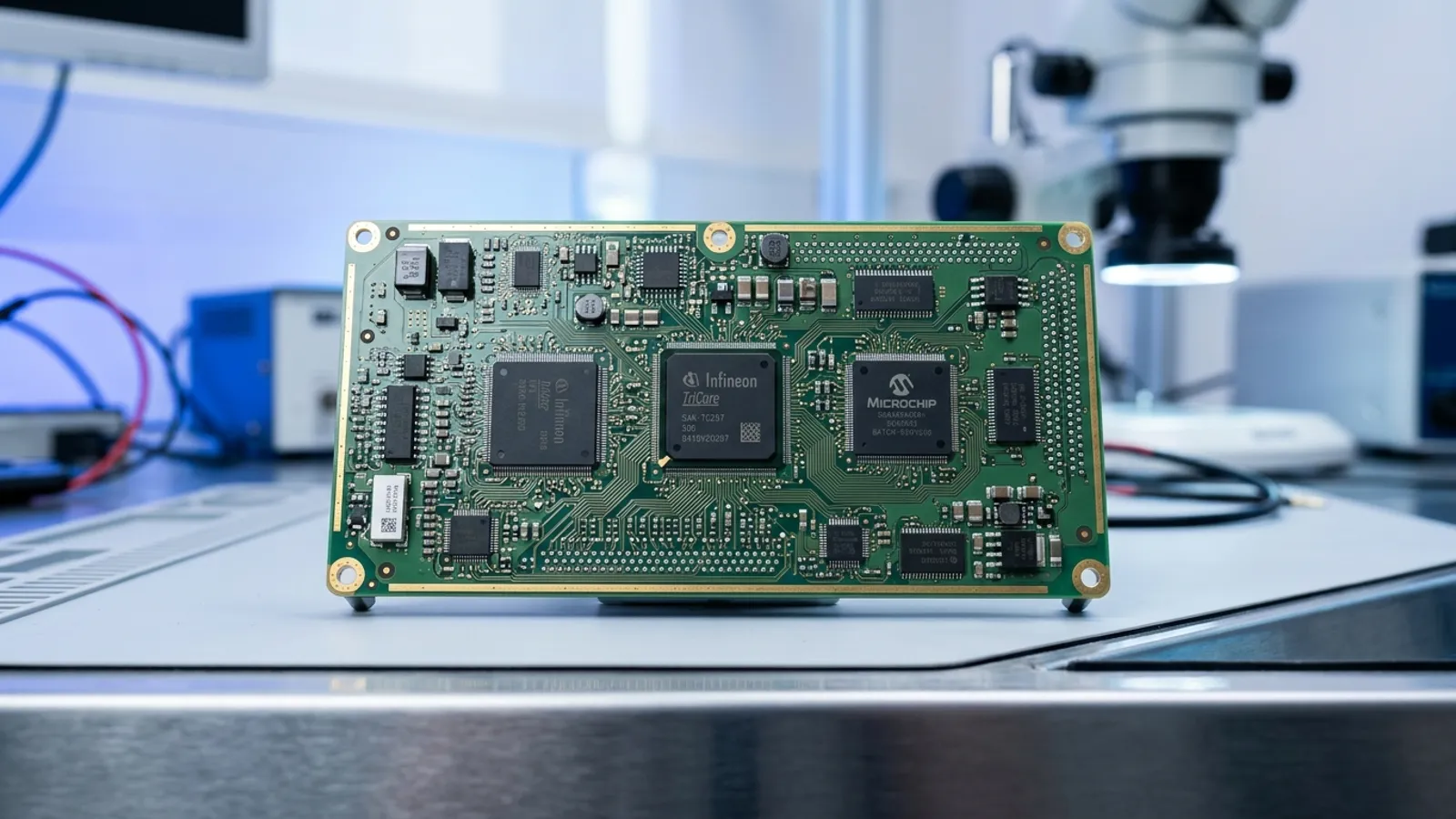
VicOne and VinCSS collaborate to harden open-source ECUs, impacting how independent tuning businesses navigate smart vehicle security and ISO 21434 standards.
The landscape of automotive electronics is undergoing a structural shift as manufacturers increasingly adopt open-source architectures for Electronic Control Units (ECUs). This transition, while accelerating innovation, introduces complex security vulnerabilities that differ significantly from legacy proprietary systems. A recent partnership between VicOne, a Trend Micro subsidiary, and VinCSS marks a strategic move to industrialise the protection of these open-source frameworks in smart vehicles. For the independent tuning sector, this development signals a new era where cybersecurity compliance is no longer an OEM-only concern but a fundamental barrier to aftermarket modification.
The Rise of Open-Source Architecture in Modern ECUs
Historically, ECU software was a tightly guarded secret, built on proprietary codebases that offered a degree of security through obscurity. However, the move toward Software-Defined Vehicles (SDVs) has necessitated the use of open-source components to manage the sheer volume of data and connectivity requirements. These open-source ECUs allow for faster development cycles and better integration with cloud services, but they also expose the vehicle to a broader range of known vulnerabilities (CVEs).
The collaboration between VicOne and VinCSS focuses on providing automated cybersecurity services tailored for these environments. By integrating VicOne’s vulnerability scanning and threat intelligence with VinCSS’s security services, the partnership aims to identify weaknesses in the supply chain before a vehicle ever reaches the showroom. This proactive hardening of open-source ECUs makes the standard methods of entry used by many aftermarket professionals—such as exploiting known software bugs to gain bootloader access—increasingly difficult.
ISO 21434 Compliance and the Independent Workshop
Central to this partnership is the enforcement of ISO 21434, the international standard for automotive cybersecurity engineering. This standard requires manufacturers to demonstrate that cybersecurity is integrated into every stage of the vehicle's lifecycle. For independent workshops and tuning houses, the downstream effects of ISO 21434 are profound. When OEMs use services like those provided by VicOne and VinCSS to secure their open-source ECUs, they are essentially creating a "verified chain of trust."
Any modification to the ECU software that is not digitally signed by the manufacturer or an authorised partner will break this chain. In the context of open-source ECUs, this often involves Secure Boot mechanisms and Hardware Security Modules (HSMs) that are programmed to reject any unsigned binary. As the independent sector seeks to remain viable, understanding the /features of modern diagnostic tools that can interface with these secured systems is critical for maintaining operational efficiency.
Technical Barriers: Binary Signing and Intrusion Detection
The technical implementation of the VicOne and VinCSS partnership involves more than just a firewall. It includes deep binary analysis and real-time intrusion detection systems (IDS). When a tuning professional attempts to remap an ECU, the IDS may flag the unexpected change in data flow as a cyberattack. Because open-source ECUs often handle critical functions in smart vehicles, such as ADAS (Advanced Driver Assistance Systems) or V2X communication, the security protocols are significantly more aggressive than those found in older powertrain-only modules.
Tuners must now account for:
- Automated Vulnerability Patching: Security updates delivered Over-the-Air (OTA) can instantly revert performance modifications.
- Hardware-Rooted Trust: The hardware itself verifies the software integrity, making physical chip-swapping or bench-tuning significantly more complex.
- Binary Obfuscation: Even in open-source environments, the specific implementation of the code may be obfuscated to prevent reverse engineering by unauthorized parties.
Strategic Adaptation for the Performance Sector
The partnership between VicOne and VinCSS is a clear indicator that the automotive industry is moving away from reactive security toward a total-lifecycle approach. For the independent tuning business, this means the end of "trial and error" methods. Accessing the potential of a modern vehicle now requires a high level of technical literacy regarding encryption and authentication protocols.
To prepare, businesses should consider a /trial of advanced diagnostic platforms that offer legal, authenticated access to vehicle gateways. The focus is shifting from bypassing security to working within the manufacturer's established security framework where possible. As open-source ECUs become the standard, the ability to navigate these cybersecurity layers will differentiate high-end engineering firms from basic "remap" shops.
Frequently Asked Questions
What is the main goal of the VicOne and VinCSS partnership?
The partnership aims to provide comprehensive, automated cybersecurity services for smart vehicles, specifically focusing on the vulnerabilities inherent in open-source ECU architectures and ensuring compliance with ISO 21434 standards.
How do open-source ECUs affect tuning?
While open-source suggests transparency, in an automotive context, it is often paired with high-level encryption and Secure Boot protocols. These measures make it harder for independent tuners to modify software without triggering security alerts or bricking the module.
What is ISO 21434?
ISO 21434 is a cybersecurity standard for the automotive industry that outlines requirements for cybersecurity risk management throughout the vehicle's life, from design to decommissioning.
Will this partnership prevent all ECU remapping?
It does not prevent remapping by design, but it significantly increases the technical difficulty. By closing common software vulnerabilities and implementing real-time detection, it makes unauthorised access much more visible to the vehicle's internal security systems.
Can OTA updates remove my tune?
Yes. If the security services provided by partners like VicOne detect a non-compliant software version or a broken digital signature, an OTA (Over-the-Air) update can be deployed to restore the ECU to its factory-signed state.