Technology
Tesla Security Flaws Revealed at Pwn2Own Automotive
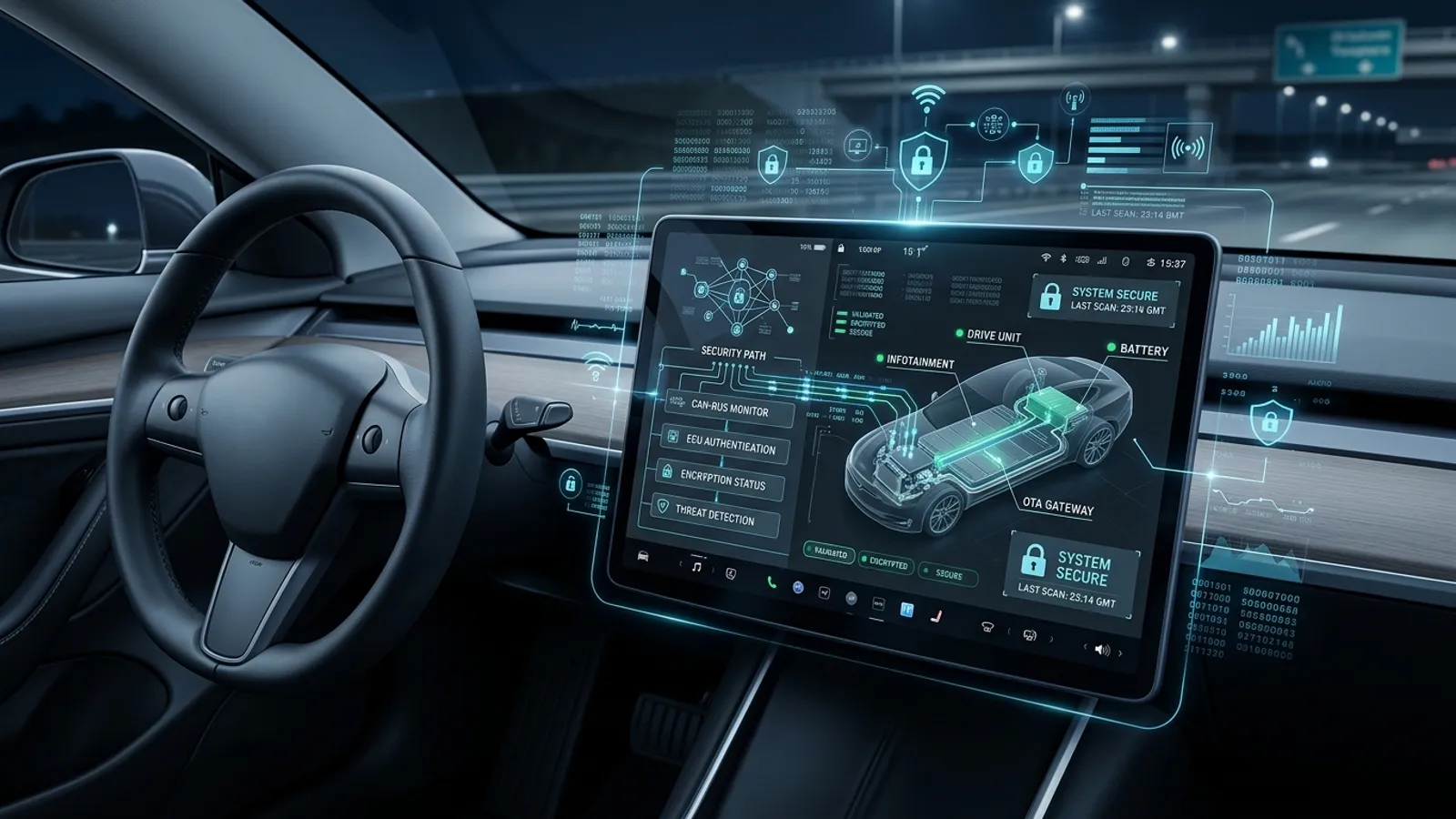
Vulnerabilities in Tesla infotainment systems uncovered at Pwn2Own Automotive in January 2026 impact how independent tuners approach EV software and system access.
Vulnerabilities in Tesla infotainment systems uncovered at Pwn2Own Automotive in January 2026 impact how independent tuners approach EV software and system access.
The landscape of automotive performance modification is increasingly defined by the intersection of software security and electronic control unit (ECU) accessibility. At Pwn2Own Automotive 2026 in Tokyo (21–23 January 2026), the cybersecurity challenge placed a critical focus on the Tesla infotainment system, uncovering vulnerabilities that have significant implications for the independent tuning sector. For B2B entities operating within the calibration and diagnostic space, these findings provide a necessary window into the architectural security of modern Electric Vehicles (EVs).
The Pwn2Own Automotive Context: A New Era of Vulnerability Research
Pwn2Own Automotive serves as a specialized venue for white-hat hackers and security researchers to demonstrate exploits against modern vehicle systems. The event, organized by the Zero Day Initiative, highlights the growing complexity of automotive software. In the 2026 edition (Help Net Security), Tesla’s infotainment system was successfully targeted, revealing entry points that could potentially be leveraged to gain unauthorized access to the vehicle's internal network. For the professional tuning industry, understanding these vulnerabilities is not about exploitation for illicit purposes, but about understanding the stability and accessibility of the platforms they service.
Unlike traditional internal combustion engine (ICE) tuning, where physical access to the ECU via Bench or OBDII protocols is standard, EV tuning often requires navigating layers of encrypted gateways. The infotainment system, or Media Control Unit (MCU) in Tesla terminology, often acts as a primary interface for user interaction and external connectivity. When security researchers identify flaws in this layer, they effectively map the potential path for data extraction and system modification. Professional workshops must monitor these developments to understand how manufacturer patches may affect existing tuning tools and advanced diagnostic features.
Technical Analysis of the Tesla Infotainment Vulnerability
The specific vulnerability identified at Pwn2Own involves the infotainment stack, which handles everything from navigation to vehicle settings. In a B2B context, the infotainment system is often the 'front door' to the vehicle's more sensitive CAN bus networks. While Tesla utilizes a robust gateway to isolate the infotainment system from critical drive systems (such as the Powertrain or Battery Management System), history has shown that lateral movement within the network is the primary goal of advanced persistent threats and, conversely, advanced tuning developers.
For independent workshops, the discovery of such flaws necessitates a dual-track strategy. First, it highlights the technical prowess required to bypass modern security. Second, it underscores the volatility of the software environment. When a vulnerability is disclosed at an event like Pwn2Own, Tesla typically responds with a rapid Over-The-Air (OTA) update. For a tuning business, this means that any calibration or modification based on a specific software version may be rendered obsolete within days of a public disclosure. This cyclical nature of 'exploit and patch' is a core risk factor that must be integrated into any B2B service pricing model.
The Intersection of Cybersecurity and Independent Performance Tuning
The independent tuning industry relies on the ability to read and write data to various control modules. As manufacturers like Tesla move toward a 'Security by Design' philosophy, the traditional methods of modification are being challenged. The Pwn2Own results demonstrate that even highly secured systems have flaws, but the commercialization of these flaws for the purpose of performance tuning remains a complex legal and technical hurdle. For professional tuners, the focus remains on legitimate access for the purposes of maintenance, personalization, and performance optimization.
The shift toward software-defined vehicles (SDVs) means that the infotainment system is no longer just a radio; it is a central hub for vehicle telemetry. B2B operators must understand that any attempt to interface with these systems involves navigating the same security protocols that researchers at Pwn2Own are paid to break. This reinforces the need for high-quality, professional-grade tools that respect the integrity of the vehicle’s safety systems while providing the necessary access for performance adjustments. Businesses interested in exploring these capabilities should consider a software trial to evaluate compatibility with current security standards.
B2B Implications: Liability and the Future of EV Modifications
The disclosure of infotainment vulnerabilities at Pwn2Own highlights a critical liability concern for the tuning industry. If an independent shop utilizes a known vulnerability to provide a service (such as unlocking features or modifying power outputs), they may be inadvertently exposing the vehicle to further security risks. Furthermore, once a vulnerability is patched by the OEM, the shop may face support challenges if the modification causes the vehicle to reject future OTA updates.
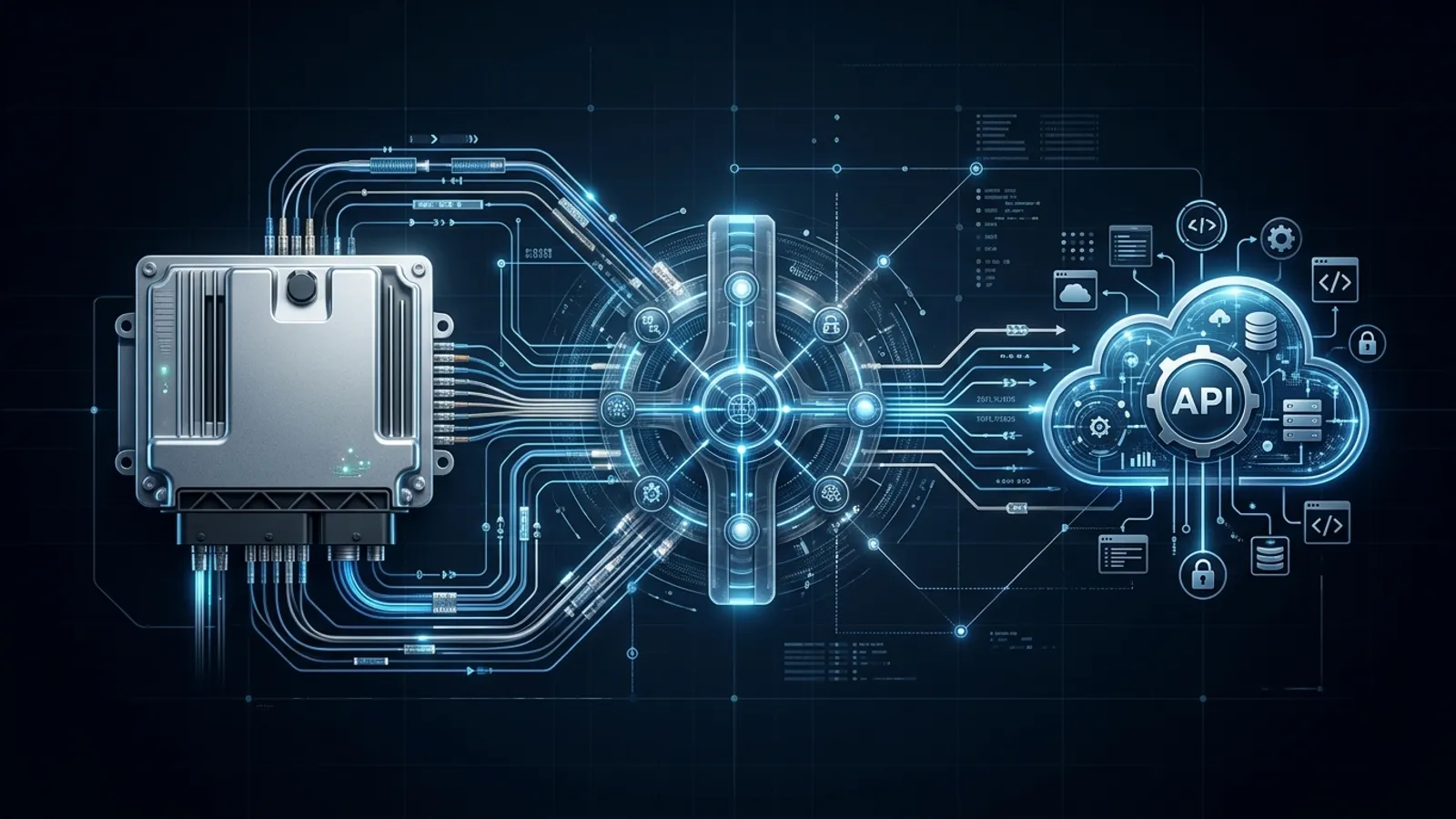
Therefore, the authoritative B2B approach involves using validated tools that do not rely on transient security flaws. Instead, the industry is moving toward official or semi-official API access and hardware-level modifications that provide stable performance gains without compromising the vehicle's security perimeter. The findings from Pwn2Own serve as a reminder that the cat-and-mouse game between manufacturers and researchers is constant, and staying informed is the only way to mitigate operational risk.
Frequently Asked Questions
What was the specific Tesla flaw found at Pwn2Own?
While specific technical details are often withheld to allow manufacturers time to patch, the exploit targeted the infotainment system, allowing researchers to demonstrate unauthorized system access during the challenge.
How does this affect independent tuning shops?
Vulnerability disclosures lead to rapid OTA updates from Tesla. Shops must be aware that modifications relying on these software versions may be overwritten or blocked by subsequent security patches.
Should tuners use these vulnerabilities for performance gains?
No. Using security vulnerabilities for commercial tuning is high-risk. Professional tuners should rely on stable, validated methods that ensure vehicle safety and long-term software compatibility.
Does this vulnerability allow someone to control the car remotely?
The Pwn2Own demonstration focused on the infotainment system. While infotainment exploits can theoretically lead to further network access, Tesla's architecture includes multiple layers of isolation to prevent unauthorized control of critical driving functions.
Where can I find more information on EV tuning tools?
Businesses can explore specialized software and hardware solutions via our features page to stay updated on the latest supported vehicle architectures.