Technology
Remote Diagnostics and Cybersecurity: Changes for Tuning Shops
How remote diagnostics, over-the-air (OTA) updates and cybersecurity rules affect independent tuning shops, and what to check before buying diagnostic tools.
How remote diagnostics, over-the-air (OTA) updates and cybersecurity rules affect independent tuning shops, and what to check before buying diagnostic tools.
Automotive diagnostics market developments are currently dictated by the convergence of high-speed data architecture and stringent cybersecurity protocols. For independent tuning businesses and electronic service providers, the coming years represent a significant shift from localized hardware interfaces toward integrated, cloud-based diagnostic ecosystems. As vehicle architectures move from traditional CAN-bus systems to high-speed Ethernet and CAN-FD protocols, the technical requirements for diagnostic tools have expanded beyond simple fault-code reading into complex module authentication and secure gateway management.
The Evolution of Vehicle Diagnostic Architecture
The global vehicle diagnostics market is undergoing a structural transformation driven by the increasing electronic complexity of modern internal combustion and electric drivetrains. The demand for sophisticated diagnostic tools is no longer limited to repair; it is a fundamental requirement for performance calibration and software integration. For the independent professional, this necessitates a move away from generic OBD-II readers toward specialized interfaces capable of handling the bandwidth requirements of Diagnostic over IP (DoIP).
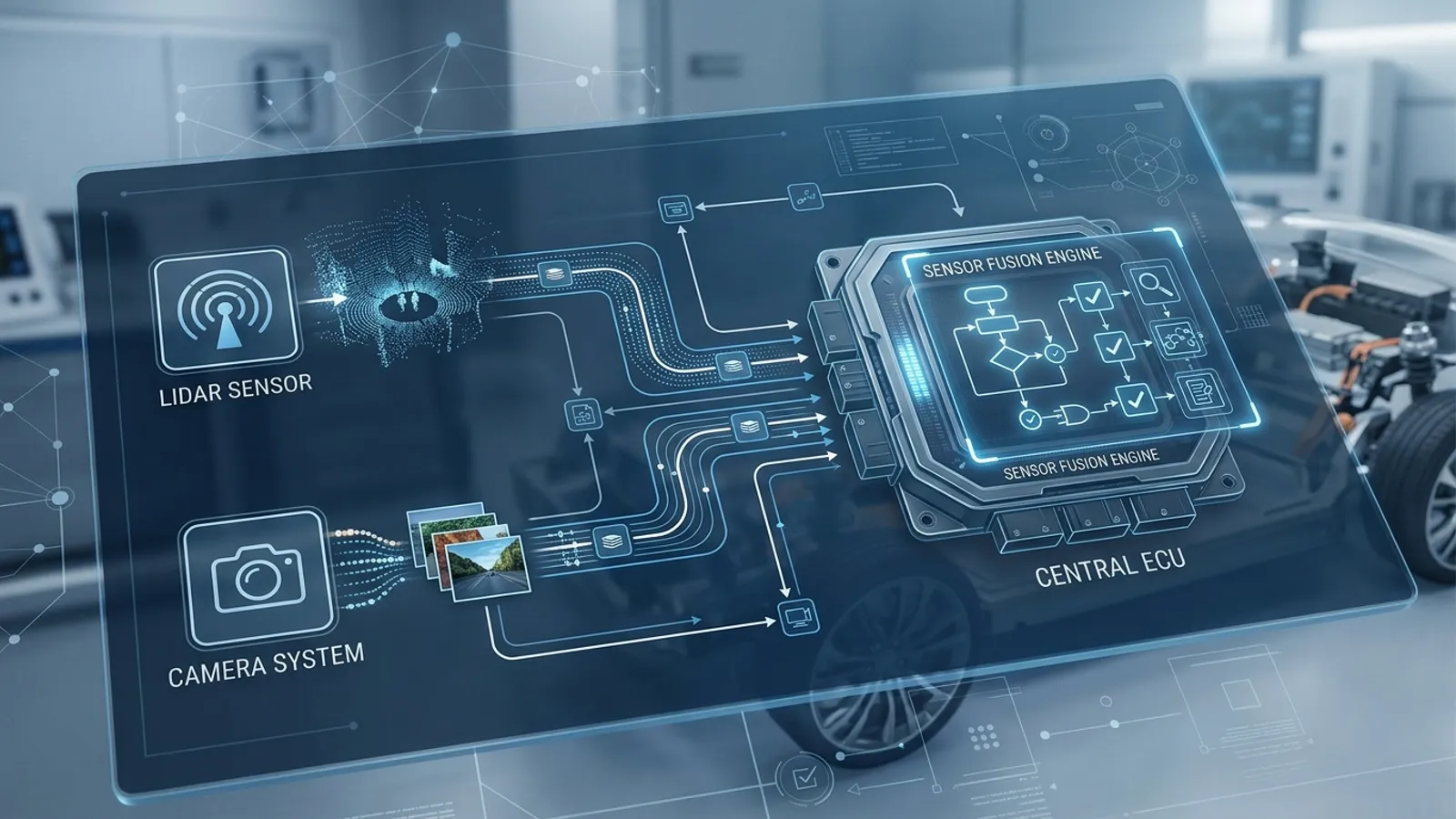
Modern Engine Control Units (ECUs) and Transmission Control Units (TCUs) now generate vast quantities of operational data. Accessing this data requires tools that can interpret proprietary manufacturer protocols which are increasingly being consolidated into standardized frameworks to comply with regional Right to Repair (R2R) legislation. However, while standardization exists at the interface level, the underlying data structures remain highly guarded by original equipment manufacturers (OEMs). The ability to maintain advanced diagnostic features is now a primary differentiator for professional tuning portals that provide technical support to workshops.
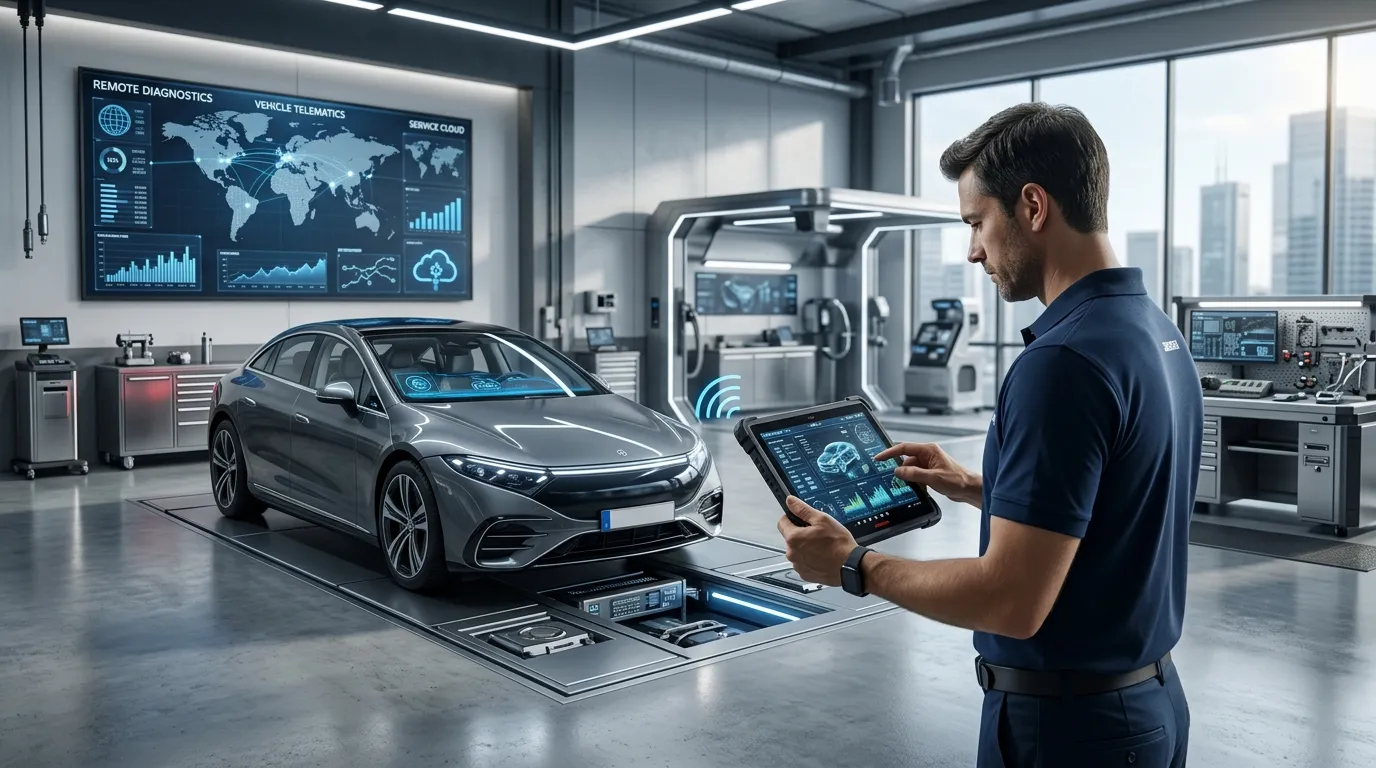
Remote diagnostics is becoming more practical as 5G connectivity and Over-the-Air (OTA) update capabilities spread. IMARC: automotive remote diagnostics market lists connected-vehicle penetration, EV and ADAS adoption, OEM telematics integration and fleet management economics as growth drivers. For independent workshops, this means that diagnostic sessions are frequently tethered to OEM servers, requiring valid credentials and authenticated hardware to bypass secure gateways.
Cybersecurity Frameworks and Independent Access
Perhaps the most critical challenge facing the ECU tuning and diagnostic sector is the rise of automotive cybersecurity. A June 2024 forecast from Meticulous Research puts the automotive cybersecurity market at $13.9 billion by 2032, while manufacturers seek to protect vehicle systems from unauthorized modifications and external threats.. This is not merely an IT issue; it is a physical barrier to entry for diagnostic service providers.
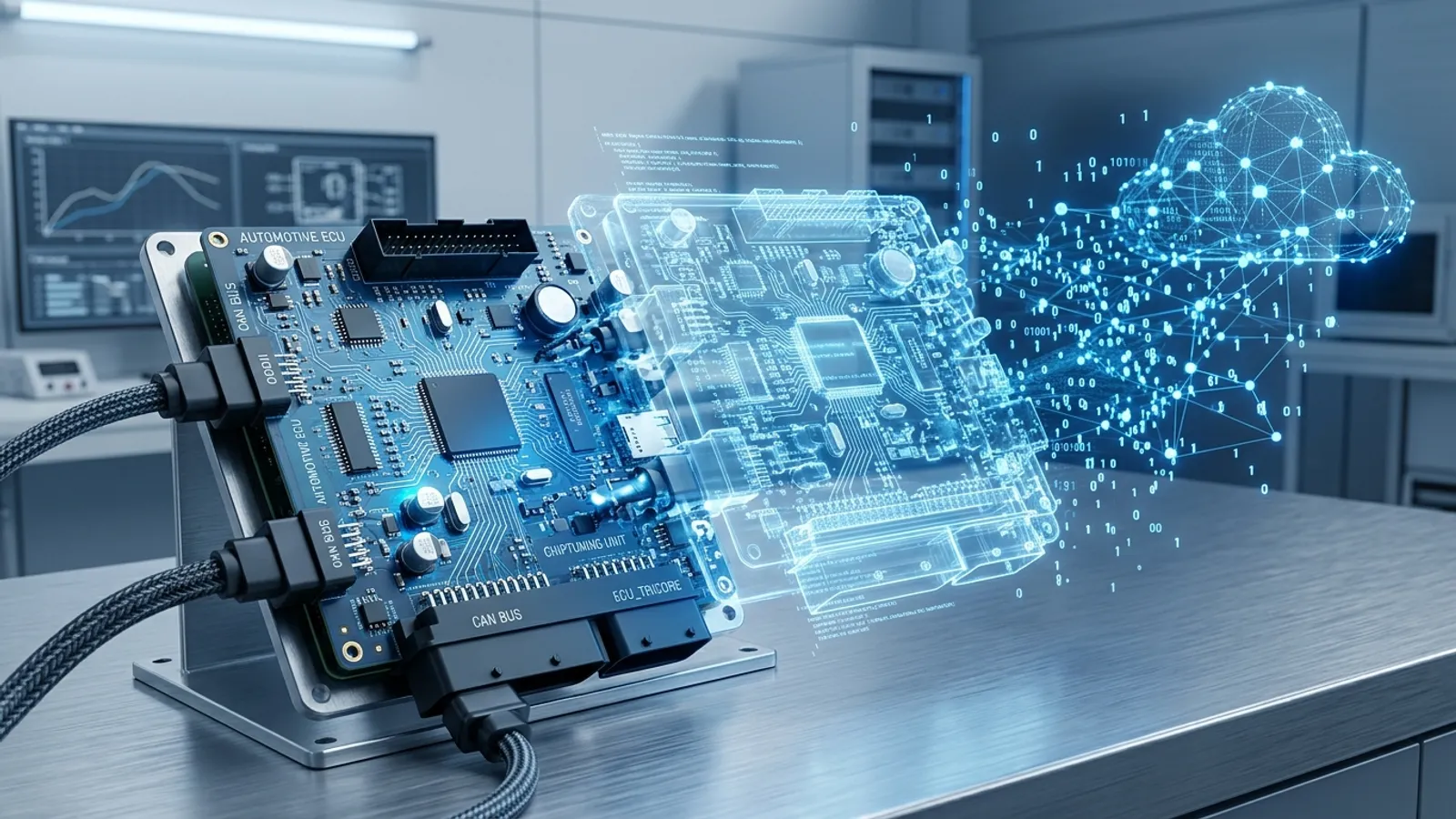
Frameworks such as the UNECE R155 and R156 regulations have forced OEMs to implement secure boot processes and encrypted communication channels within the vehicle's internal network. For an independent tuner, this means that accessing the ECU's memory map often requires clearing a Secure Feature Displacement (SFD) lock or similar manufacturer-specific gateway. The cybersecurity market's growth reflects the adoption of these technologies across all vehicle segments, not just luxury or high-performance models.
Understanding the cost of entry for compliant diagnostic tools is essential for long-term business planning. The hardware must now support secure authentication tokens and maintain persistent connections to manufacturer databases. This shift effectively ends the era of standalone, offline diagnostic tools for late-model vehicles. Workshops must now view diagnostic hardware as a service-linked asset rather than a one-time purchase.
Investment Cycles and Technical Sustainability
As we look toward the 2030 horizon, the sustainability of an independent tuning business depends on its ability to adapt to these dual pressures: diagnostic complexity and cybersecurity enforcement. The market is moving toward a "Diagnostics-as-a-Service" model, where the value lies in the data interpretation and the ability to legally circumvent or work within security parameters to provide bespoke calibrations.
Strategic investment should focus on tools that offer modular updates and support for upcoming communication standards like CAN-FD. The coming years, up to 2030, will likely see the phase-out of legacy tools that lack the processing power to handle modern encryption layers. Professionals are encouraged to utilize a structured trial period when evaluating new diagnostic interfaces to ensure compatibility with specific vehicle marques and their respective security implementations.
Technical sustainability also requires a deeper understanding of the software-defined vehicle (SDV). In an SDV, the hardware is secondary to the software controlling it. Diagnostics in this environment involve checking not just for physical sensor failures, but for software version mismatches and corrupted configuration files. Tuning in this context requires a more holistic approach to vehicle health, ensuring that any performance modification remains compatible with the vehicle’s security baseline.
Frequently Asked Questions
How does automotive cybersecurity affect ECU tuning?
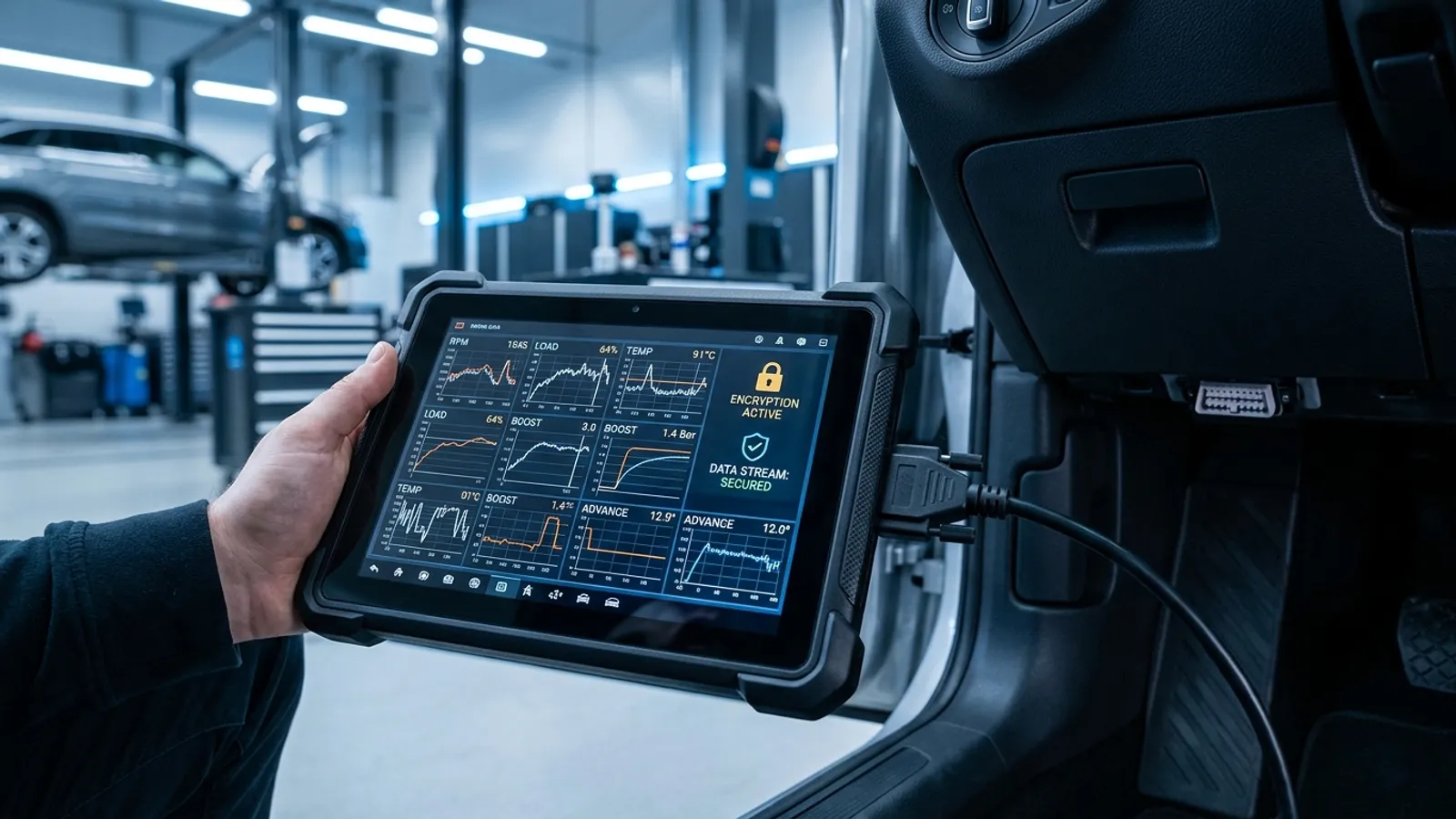
Cybersecurity protocols like secure gateways and encrypted communication channels restrict unauthorized access to the ECU. Tuners must use authenticated tools and methods that comply with these security layers to modify engine parameters without triggering safety mode or voiding vehicle security certificates.
What is the difference between DoIP and traditional OBD-II?
Diagnostic over IP (DoIP) uses Ethernet-based communication, offering significantly higher bandwidth than traditional CAN-bus based OBD-II. This allows for faster data transfer during flash procedures and is necessary for the massive data volumes found in modern vehicle architectures.
What is driving demand for diagnostic tools?
Demand is driven by the increasing number of electronic control units per vehicle, the rise of electric vehicles which rely heavily on software diagnostics, and the implementation of new safety and emissions regulations requiring constant monitoring and calibration.
Is remote diagnostics a viable option for independent tuners?
Yes, remote diagnostics allow experts to provide support to workshops anywhere in the world. However, this requires stable high-speed internet and hardware that can securely bridge the connection between the vehicle and the remote server while maintaining data integrity.