Technology
Vehicle Diagnostics and Remote Services for Tuning Shops
How remote diagnostics, over-the-air (OTA) updates and cloud file services change chiptuning workflows, and what to check when you scale a tuning business.
How remote diagnostics, over-the-air (OTA) updates and cloud file services change chiptuning workflows, and what to check when you scale a tuning business.
The automotive landscape is undergoing a seismic shift, transitioning from mechanical-centric engineering to software-defined mobility. As we look toward the Advanced Vehicle Diagnostics & Remote Services Market projections for 2034, it is clear that the integration of cloud computing, telematics, and high-speed data transfer is redefining how workshops and chiptuning professionals operate. IMARC: automotive remote diagnostics market forecasts continued growth for the market, citing connected-vehicle penetration, EV and ADAS adoption and OEM telematics integration as drivers.
For entrepreneurs in the performance aftermarket and ECU remapping sector, this evolution represents both a challenge and a massive opportunity. The ability to diagnose, tweak, and optimize vehicle performance remotely is no longer a luxury—it is becoming a standard requirement for maintaining a competitive edge in a globalized market. This article explores the key drivers of this market growth and how a specialized white-label platform can help you capture this burgeoning demand.
The Evolution of Remote Diagnostics and Performance Tuning
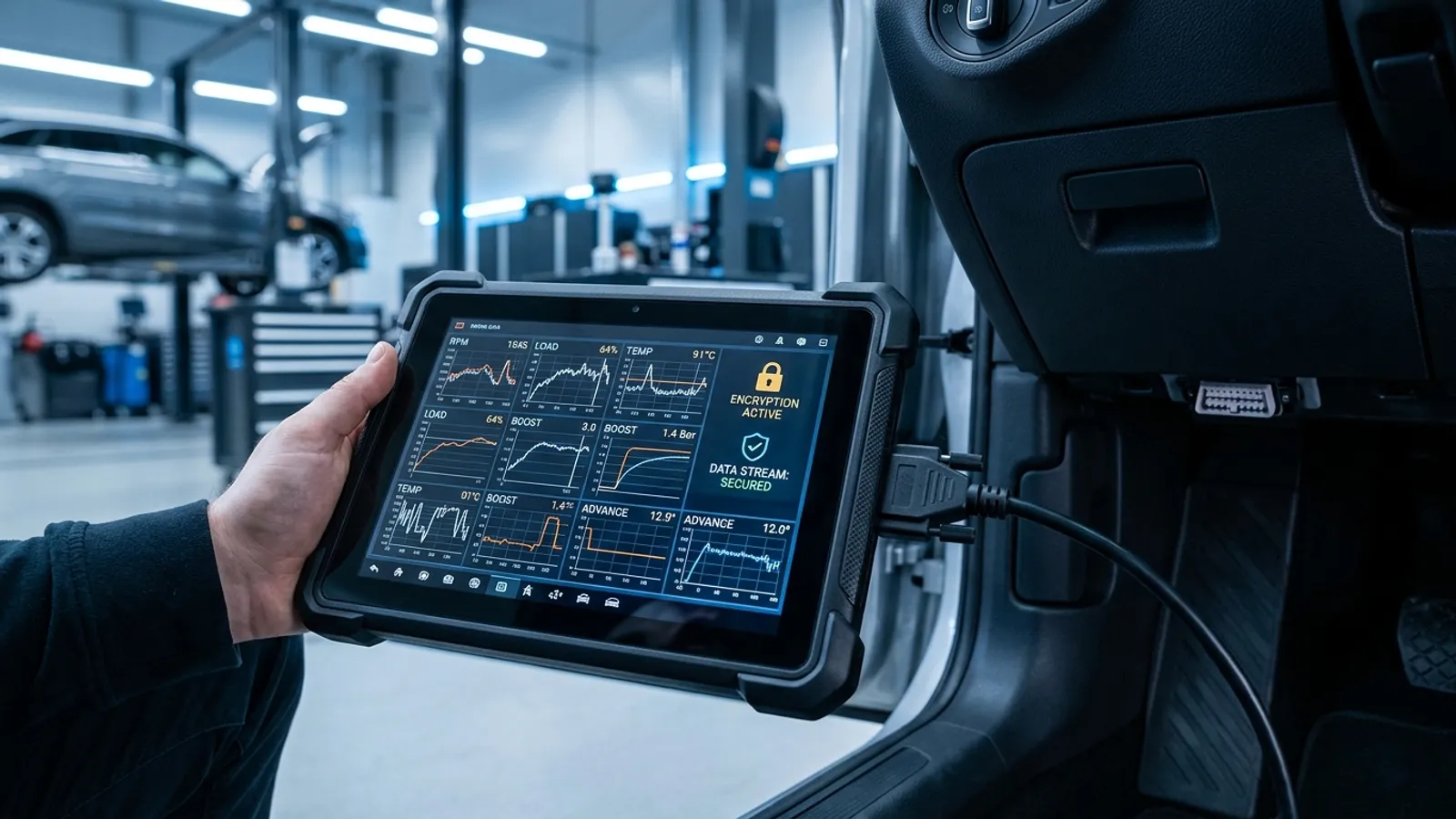
Historically, vehicle diagnostics required physical access to the OBD-II port, with technicians tethered to the vehicle by cables. However, the Advanced Vehicle Diagnostics & Remote Services Market is moving rapidly toward wireless and cloud-based solutions. This shift is driven by the increasing complexity of modern Engine Control Units (ECUs) and Transmission Control Units (TCUs), which now manage millions of lines of code.
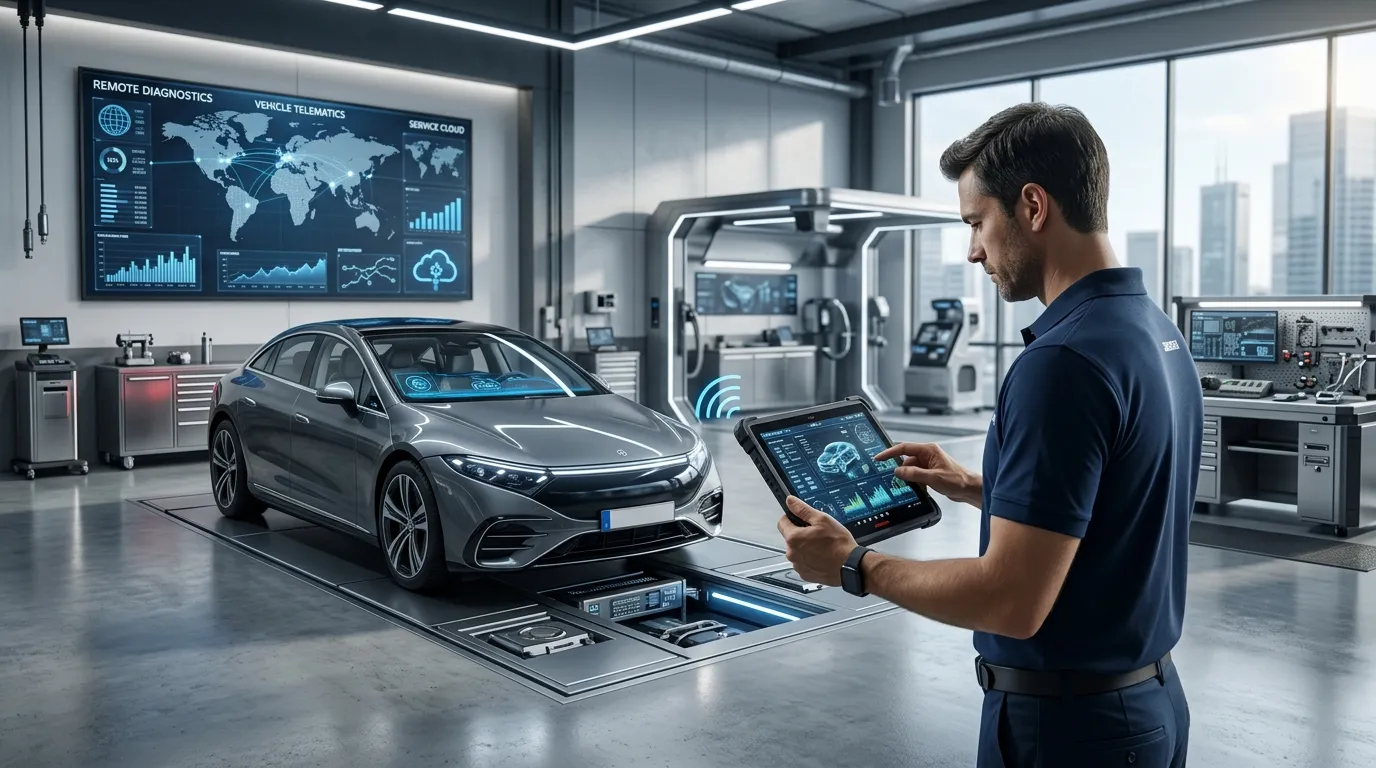
In the world of chiptuning, this means the transition from "bench-only" work to sophisticated remote file services. Tuners can now receive diagnostic logs from a dealer thousands of miles away, analyze the data, and provide a custom-calibrated remapping file via a dedicated portal. This "Master-Slave" relationship is the backbone of the modern tuning industry, allowing professional tuners to scale their expertise globally without physical constraints.
Key Drivers for the 2034 Market Outlook
- Connectivity and 5G: The rollout of 5G infrastructure allows for real-time data streaming from vehicles, enabling deep-level diagnostics that were previously impossible over slower networks.
- Predictive Maintenance: AI-driven diagnostics can now predict component failures before they happen, a feature that high-end performance shops are integrating into their service packages.
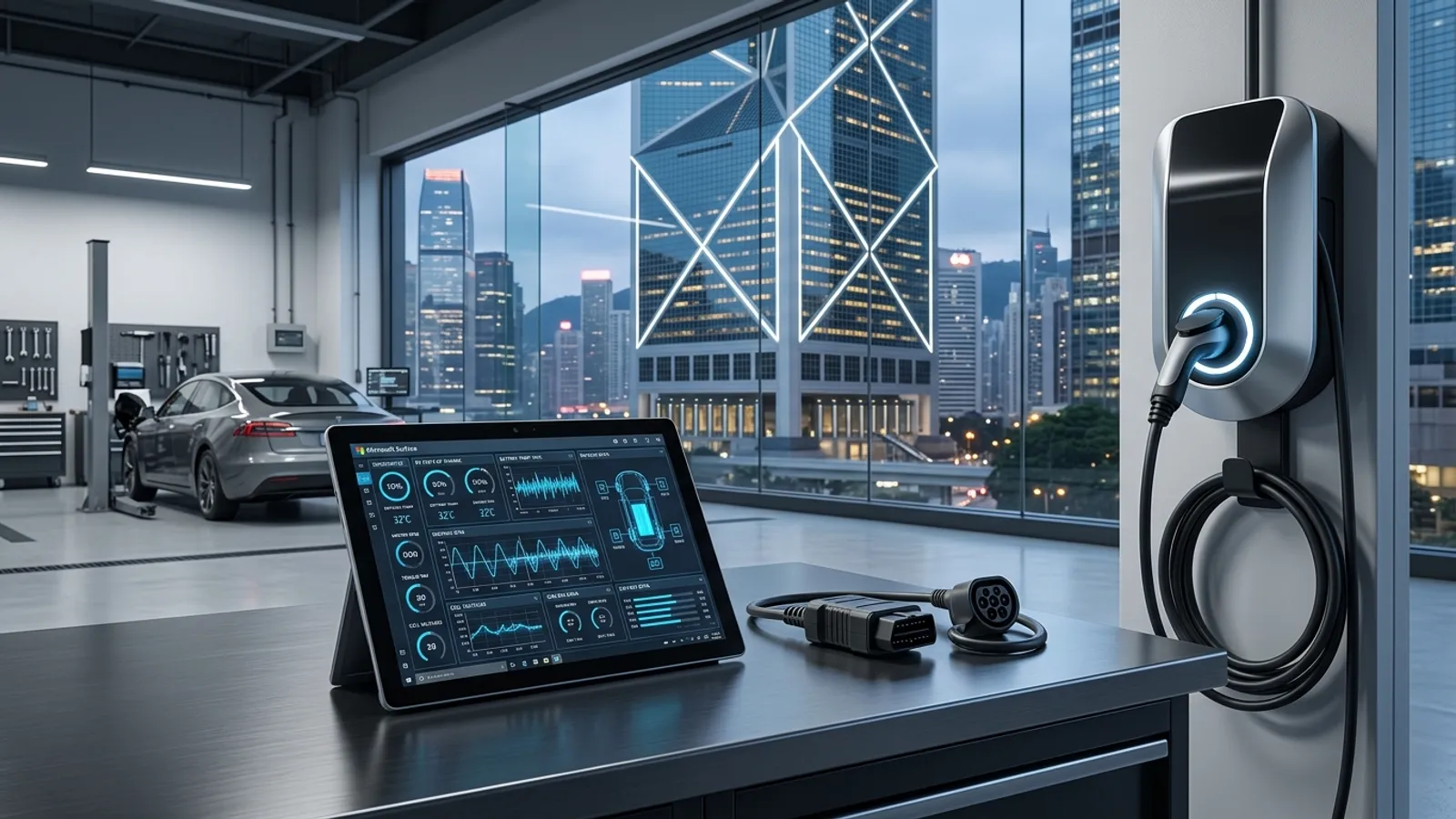
- Over-the-Air (OTA) Updates: Manufacturers like Tesla and BMW have proven the viability of OTA updates. The aftermarket is now catching up, with remote tuning portals leading the way.
- Complexity of ADAS: Advanced Driver Assistance Systems require precise calibration, creating a new niche for diagnostic experts using remote specialized software.
Bridging the Gap: The Role of White-Label Tuning Portals
To capitalize on the Advanced Vehicle Diagnostics & Remote Services Market, businesses need more than just technical knowledge; they need a robust digital infrastructure. A white-label chiptuning portal serves as the bridge between the technical expert (the Master) and the service provider (the Dealer). Learn more about our dealer management features to streamline your workflow.
A professional portal does more than just move files. It manages DTC (Diagnostic Trouble Code) deletions, handles automated payments, and provides a structured environment for support tickets and technical logs. For a chiptuning company, this infrastructure is the difference between a disorganized email-based workflow and a scalable, professional enterprise.
Technical Integration and Database Management
One of the most significant barriers to entry in the advanced diagnostics space is the sheer volume of vehicle data. A modern platform must offer a comprehensive database—ideally encompassing over 66,000 vehicle variations. This allows tuners to provide accurate Stage 1, Stage 2, and Eco-tuning files with confidence, knowing the specific hardware and software versions of the ECU they are working with.
"The future of the automotive aftermarket is data-driven. Those who control the flow of diagnostic data and the delivery of performance software will lead the Advanced Vehicle Diagnostics & Remote Services Market by 2034."
Strategic Opportunities for Chiptuning Professionals
As the market expands, several key opportunities emerge for those using advanced portal software:
- Global Dealer Networks: By offering a white-label portal in multiple languages (such as the 25 languages supported by ECU Tuning Portal), tuners can recruit dealers from different continents, operating 24/7.
- Automated File Service: Implementing automated credit systems and file delivery mechanisms reduces the "time-to-hood" for the end customer, increasing satisfaction and throughput.
- Data Mining for Custom Maps: By collecting diagnostic logs through a central portal, tuners can refine their WinOLS projects and Damos files based on real-world performance data across thousands of vehicles.
Comparing Traditional vs. Remote Diagnostic Models
| Feature | Traditional Model (Pre-2020) | Advanced Remote Model (today) |
|---|---|---|
| Access Method | Physical OBD-II Connection | Cloud-based / Wireless Telematics |
| File Delivery | Email or USB Drive | Automated Secure Portals |
| Scalability | Limited to local workshop | Global Master-Slave Networks |
| Payment Processing | Manual Invoicing | Integrated Automated Credit Systems |
Practical Tips for Scaling Your Tuning Business
If you are looking to secure your place in the Advanced Vehicle Diagnostics & Remote Services Market, consider the following technical and strategic steps:
1. Invest in Full Source Code Solutions
Renting a platform is a good start, but owning the source code provides ultimate flexibility. It allows you to customize the user interface, integrate specific API calls for diagnostic tools, and ensure that your proprietary tuning data remains under your total control. Explore the benefits of owning your tuning portal source code for long-term security.
2. Prioritize Multilingual Support
Offering your portal in languages like Spanish, Portuguese, and Mandarin is no longer optional if you want to be a global player.
3. Automate the Routine, Personalize the Complex
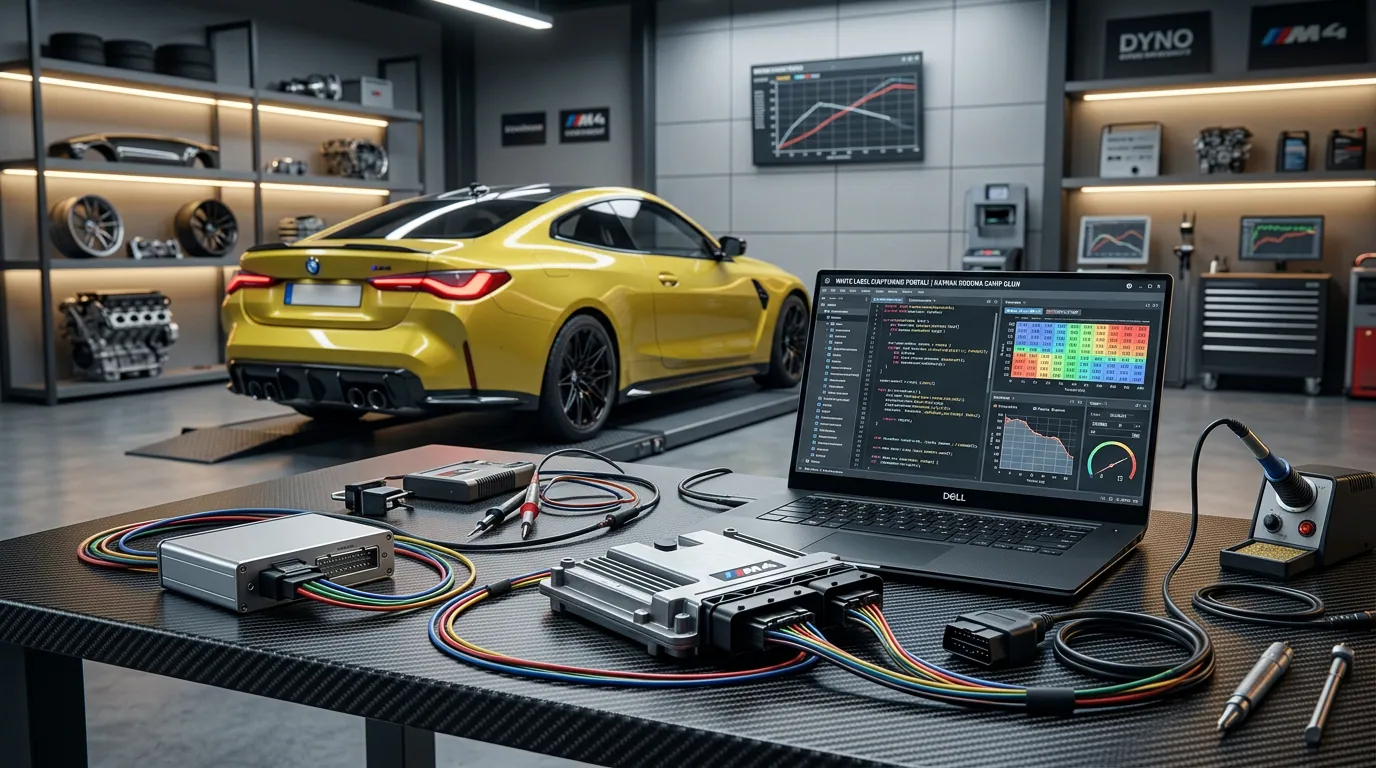
Use your portal to automate routine tasks like Stage 1 file delivery for common VAG or BMW Bosch ECUs. This frees up your master tuners to focus on complex projects, such as custom turbo builds or intricate TCU remapping, which command higher margins.
Frequently Asked Questions
What is the projected growth of the Advanced Vehicle Diagnostics & Remote Services Market?
The Fortune Business Insights report covers a regional forecast for 2026 to 2034. This article does not quote its figures, so check the report for the current market size and growth rate.
How does a white-label portal help my chiptuning business?
A white-label portal provides a professional, branded interface for your dealers to upload original ECU files and download tuned versions. It automates payments, manages your dealer network, and provides a secure database for all your tuning projects.
Is it better to take a yearly plan or buy the source code for a tuning portal?
A yearly plan (€399 per year, plus a €120 one-time setup fee) is excellent for startups. However, established tuners often prefer a one-time purchase (€699) to get the source code (the core service component is IonCube-encoded) with no monthly licence fee; from the second year only hosting (€99/year) and API (€180/year) renewals apply, and only if you use them.
Can remote diagnostics handle ECU remapping for all vehicles?
While many modern vehicles support remote diagnostics and tuning through the OBD port, some still require bench-boot or JTAG access. However, a portal with a 66,000+ vehicle database helps you identify the correct protocol for every situation.
Conclusion: The Future is Remote
The Advanced Vehicle Diagnostics & Remote Services Market is not just a future concept; it is the current reality of the automotive industry. As vehicles become more like "computers on wheels," the ability to service them remotely through sophisticated software portals will separate the industry leaders from the followers. By adopting a professional, white-label solution, you can offer your clients the speed, reliability, and technical excellence they expect in the years ahead.
Ready to dominate the market? ECU Tuning Portal offers the world's most advanced white-label B2B chiptuning software. With a database of over 66,000 vehicles and support for 25 languages, we provide the tools you need to scale. Choose our yearly plan (€399 per year, plus a €120 one-time setup fee) or take full control with our €699 one-time payment for the full source code. Contact us today to launch your professional tuning portal!
Sources & further reading:
- Fortune Business Insights: Advanced Vehicle Diagnostics & Remote Services Market report