Technology
Autel HKEX IPO: Scaling Intelligent Vehicle Diagnostics
Autel Intelligent Technology resubmits its HKEX IPO application, signaling a capital-backed shift toward integrated intelligent diagnostics and EV charging.
Autel Intelligent Technology resubmits its HKEX IPO application, signaling a capital-backed shift toward integrated intelligent diagnostics and EV charging.
The landscape of aftermarket hardware is undergoing a structural shift as Autel Intelligent Technology (688208.SH) resubmits its application for a dual listing on the Hong Kong Stock Exchange (HKEX). This move, positioning the company as a provider of intelligent vehicle diagnostics and smart charging solutions, carries significant implications for independent tuning businesses and workshops across Europe. By securing further capital, the firm aims to bridge the gap between traditional mechanical diagnostics and the complex, software-defined architectures of modern Electric Vehicles (EVs) and Internal Combustion Engine (ICE) platforms.
The Strategic Pivot to Intelligent Vehicle Diagnostics
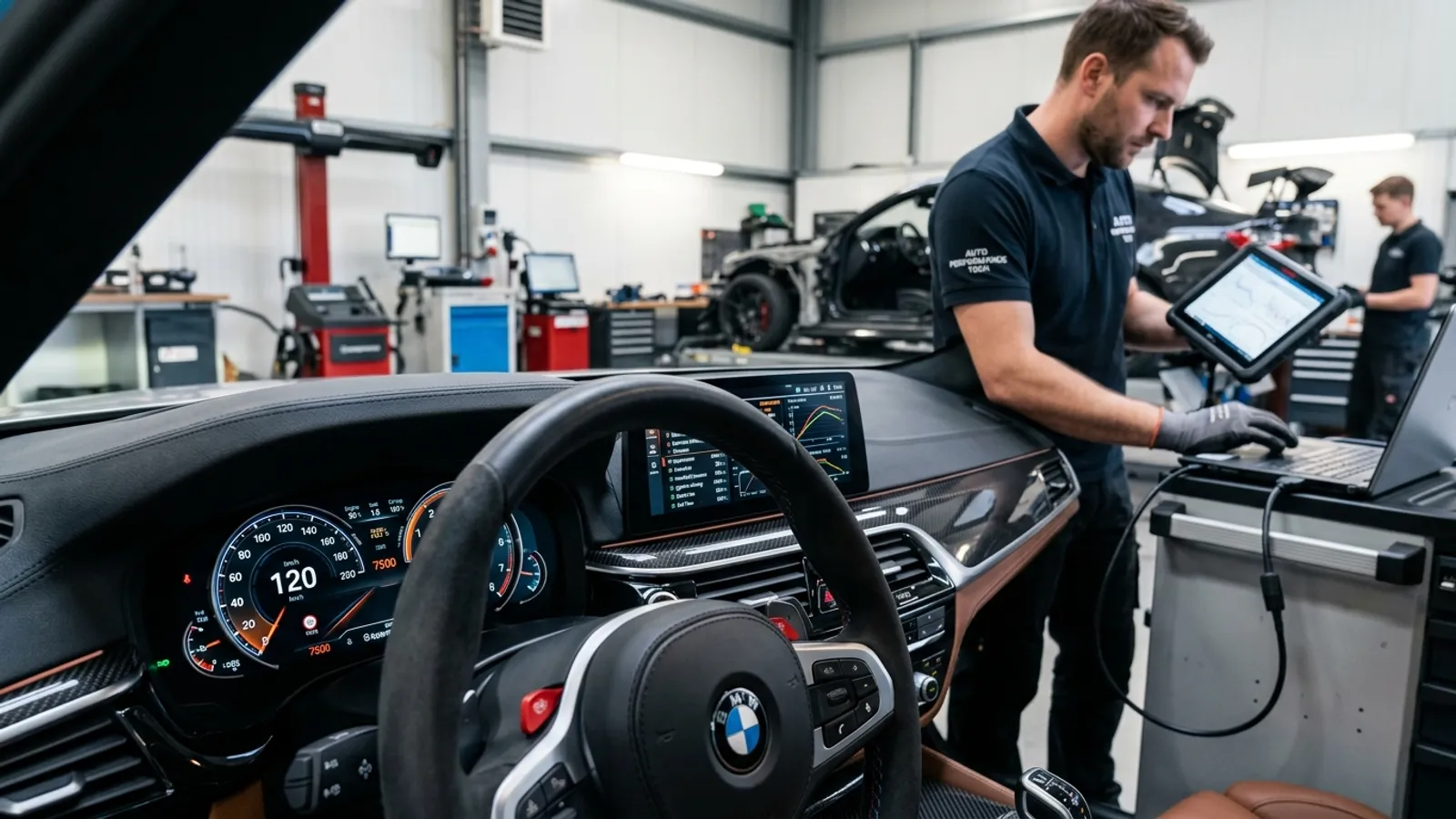
For the independent tuning sector, the term "Intelligent Vehicle Diagnostics" represents more than a marketing evolution; it signifies the transition from passive fault code reading to active, cloud-integrated ecosystem management. Autel’s move to list on the HKEX is fundamentally an infrastructure play. As OEMs implement increasingly sophisticated Secure Gateway (SGW) protocols and DoIP (Diagnostics over IP) standards, the cost of R&D for third-party tool manufacturers has escalated. A secondary listing provides the liquidity required to maintain pace with these proprietary technological barriers.
Intelligent diagnostics now incorporate automated repair guidance, technical service bulletin (TSB) integration, and cloud-based data logging—features that were previously the exclusive domain of dealership-level ODIS or ISTA systems. For the B2B operator, this IPO suggests a roadmap where diagnostic hardware becomes a portal into a wider suite of SaaS (Software as a Service) products. Shops utilizing these platforms can expect more frequent firmware updates and broader coverage for late-model European and Asian vehicles, ensuring that independent facilities remain competitive against franchised dealers.
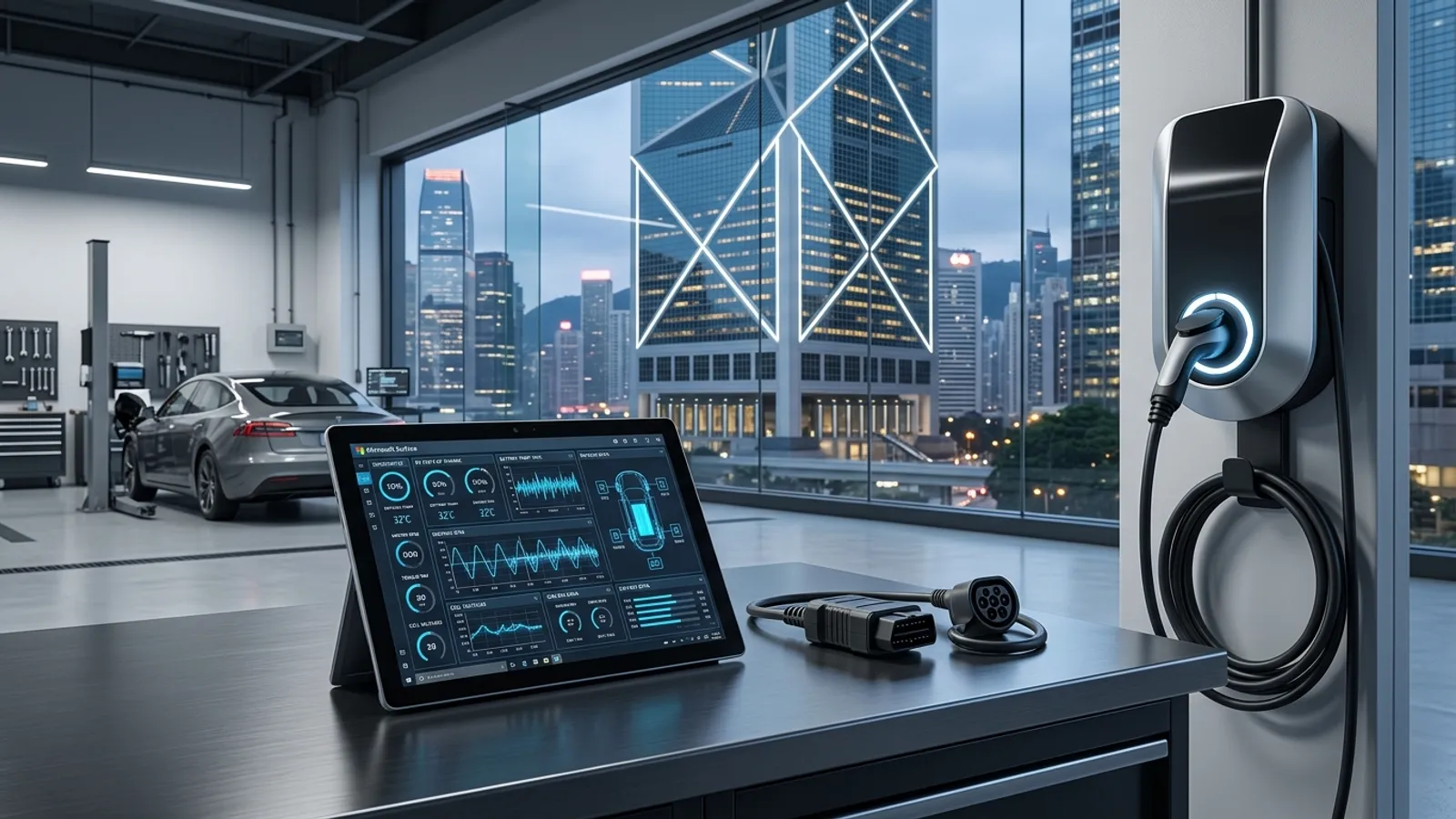
Furthermore, the integration of smart charging solutions into their core business model reflects the reality of the European workshop. As the car parc shifts toward electrification, the diagnostic tool is becoming the primary interface for battery health monitoring and thermal management calibration. The convergence of charging hardware and diagnostic software allows a tuning business to offer end-to-end service for EVs, from performance optimization to infrastructure maintenance.
Impact on Independent Tuning Workflows and Hardware Reliability
Reliability in diagnostic communication is the cornerstone of any tuning operation. The capital injection from an HKEX listing is likely to be directed toward enhancing the global server infrastructure that supports remote programming and online coding. For businesses that rely on stable connections for flashing ECUs or performing ADAS calibrations, the stability of these backend services is paramount. We have observed a trend where hardware performance is increasingly dictated by the robustness of the manufacturer’s cloud environment.
Workshops currently evaluating their tool inventory should consider how Autel’s financial expansion might affect product lifecycles. Historically, IPO-led growth leads to more aggressive product release cycles. This can be a double-edged sword: while it brings cutting-edge features to market faster, it also necessitates a clear understanding of subscription models and hardware support longevity. The shift toward a unified diagnostic and charging platform suggests that future hardware may be modular, allowing workshops to scale their capabilities without replacing the base tablet unit.
The operational efficiency of an independent shop depends on reducing 'key-to-key' time. Intelligent diagnostics aim to reduce diagnostic time by using AI-driven analysis of live data streams to pinpoint likely hardware failures before they result in a complete breakdown. This proactive approach to vehicle maintenance is a high-margin service that tuners can offer to fleet clients, a segment that is particularly sensitive to downtime and total cost of ownership.
From Hardware to Ecosystem: The Cloud Integration Requirement
The requirement for high-speed, secure data transmission has never been higher. With the resubmission of the IPO, Autel is signaling its intent to dominate the data-driven aftermarket. This involves not just the tool in the technician’s hand, but the data processing that occurs in the background. Modern tuning involves complex interactions with the vehicle's body control modules, powertrain controllers, and increasingly, the infotainment system (IVI).
For those interested in the technical specifics of how these tools integrate into modern workshop workflows, reviewing our platform features can provide a benchmark for the level of integration required in the current market. The integration of Intelligent Vehicle Diagnostics into a shop's digital workflow allows for seamless record-keeping and customer reporting, which are essential for maintaining high service standards and legal compliance in the European market.
Moreover, the smart charging aspect of the IPO cannot be ignored. By combining diagnostic capabilities with charging hardware, Autel is positioning itself to capture the data generated during the charging cycle. This data is invaluable for diagnosing battery degradation and optimizing charging profiles—a technical service that aligns perfectly with the expertise of performance tuners who are pivoting toward EV performance management.
Preparing for Electrification: Smart Charging Synergy
The inclusion of smart charging in the HKEX application highlights a strategic shift in the aftermarket revenue model. While ICE tuning focuses on air-fuel ratios and ignition timing, EV optimization focuses on energy density, discharge rates, and thermal efficiency. Diagnostic tools that are natively integrated with charging infrastructure provide a unique data set that allows tuners to verify the efficacy of battery management system (BMS) calibrations under real-world load conditions.
The independent sector must prepare for a future where the diagnostic tool is also the gateway to the energy grid. Smart charging solutions allow workshops to manage their own energy costs while providing a value-added service to customers. The ability to perform a deep-cycle battery health check while a vehicle is charging in the bay provides an additional touchpoint for customer engagement and upsell opportunities. This IPO confirms that the industry's leaders view the vehicle and its charging infrastructure as a single, integrated technical challenge.
As the aftermarket evolves, the distinction between a "diagnostic technician" and a "software engineer" continues to blur. The tools funded by this IPO will likely feature more automated scripting and API-driven interfaces, allowing advanced users to customize their diagnostic routines. For those looking to test the latest in diagnostic-compatible software, a professional trial of contemporary platforms is recommended to understand the baseline for modern intelligent diagnostics.
Frequently Asked Questions
What is the difference between standard diagnostics and Intelligent Vehicle Diagnostics?
Standard diagnostics typically involve reading and clearing diagnostic trouble codes (DTCs). Intelligent Vehicle Diagnostics integrate cloud-based repair data, automated troubleshooting logic, and direct access to OEM service portals to provide a guided repair process based on real-world failure patterns.
How does an HKEX IPO affect the price of diagnostic tools for workshops?
While an IPO often leads to increased R&D and better product features, it can also lead to more structured subscription-based pricing models. The focus shifts toward recurring revenue through software updates and cloud services rather than one-time hardware sales.
Why is Autel combining diagnostics with smart charging in its IPO application?
The combination reflects the convergence of EV maintenance and infrastructure. By providing both, Autel can capture data across the entire EV lifecycle, from energy intake (charging) to vehicle performance (diagnostics), creating a comprehensive ecosystem for the modern workshop.
Will this IPO impact the support for older ICE vehicle diagnostics?
Generally, IPO-driven expansion requires maintaining a large user base, which means support for legacy ICE vehicles remains a priority. However, the majority of new R&D investment is typically directed toward EV, ADAS, and cloud-integrated features to satisfy investor expectations for future-proofing.