Technology
Smartphone Diagnostics: Motorscan for Powersports
Professional motorcycle diagnostic tools are transitioning to smartphone-based interfaces. Motorscan adapters offer independent shops mobile ECU access.
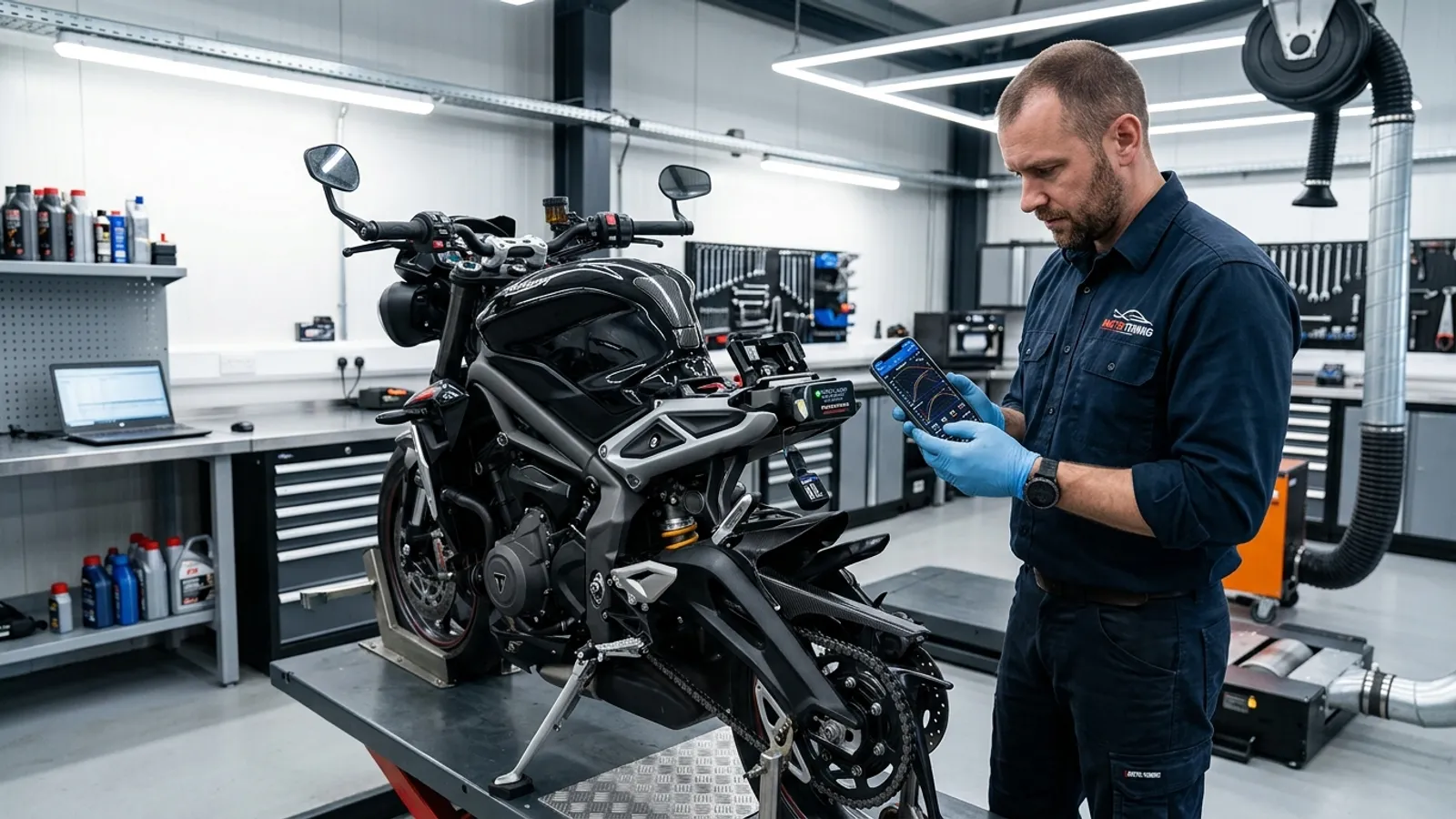
Professional motorcycle diagnostic tools are transitioning to smartphone-based interfaces. Motorscan adapters offer independent shops mobile ECU access.
The technical landscape of powersports maintenance is undergoing a significant transition as hardware-agnostic diagnostic solutions gain traction among independent workshops. Smartphone-based diagnostic adapters, such as those developed by Smart Vehicle Diagnostics under the Motorscan brand, are an established tool category that represents a move away from costly, proprietary handheld scanners toward flexible, software-driven ecosystems. A Motorscan adapter for Harley-Davidson motorcycles was already reviewed by American Motorcyclist in January 2018. For the independent tuning professional, this shift is not merely about convenience; it is a fundamental change in the economics of vehicle communication and data acquisition.
The Evolution of Motorcycle Diagnostic Protocols
Historically, the motorcycle and powersports industry lagged behind the automotive sector in terms of diagnostic standardization. While the automotive industry adopted OBD-II mandates in the mid-1990s, the motorcycle world remained a fragmented landscape of proprietary connectors and manufacturer-specific protocols. It was not until the implementation of Euro 4 and subsequently Euro 5 emissions standards in Europe that a degree of standardization became mandatory for road-going motorcycles.
Independent workshops have traditionally struggled with the high capital expenditure required to maintain a fleet of manufacturer-specific diagnostic tools. A single OEM scanner for a brand like BMW, Ducati, or Harley-Davidson can cost thousands of Euros, often requiring annual licensing fees that eat into the margins of smaller operations. Smartphone-based adapters like Motorscan bridge this gap by leveraging the processing power of modern mobile devices and the standardized Bluetooth communication protocols to interface with the vehicle's Engine Control Unit (ECU).
Technical integration with the vehicle occurs through the diagnostic port, which may vary from the standard 16-pin OBD-II shape to brand-specific 4-pin or 6-pin configurations. The adapter acts as a bridge, translating the raw data from the vehicle's CAN bus or K-line into a readable format for the mobile application. This allows technicians to perform a variety of essential tasks, including reading and clearing Diagnostic Trouble Codes (DTCs), viewing live sensor data, and performing service resets—tasks that were once the exclusive domain of franchised dealerships.
Technical Architecture of Smartphone Adapters
The core utility of a smartphone diagnostic adapter lies in its ability to maintain a stable, high-speed connection with the vehicle's electronic architecture. Motorscan adapters utilize Bluetooth technology to transmit data packets between the adapter plugged into the diagnostic port and the technician's smartphone or tablet. In a professional tuning environment, the stability of this connection is paramount, particularly when monitoring live data streams to diagnose intermittent faults or verify sensor calibration.
Modern powersports vehicles utilize sophisticated Electronic Control Units that manage everything from fuel injection timing and ignition advance to ride-by-wire throttle response and traction control. When a technician utilizes a smartphone adapter, they are essentially querying the ECU for specific PIDs (Parameter IDs). The speed at which these PIDs are refreshed depends on both the vehicle's bus speed and the efficiency of the adapter's firmware. Professional-grade adapters are designed to minimize latency, ensuring that the live data viewed on the screen accurately reflects the engine's current state in real-time.
Furthermore, the move toward smartphone integration allows for seamless software updates. Unlike traditional handheld scanners that may require manual firmware flashes via a PC, smartphone-based systems can update their vehicle databases and diagnostic routines via the app store. This ensures that independent tuners have access to the latest fault code definitions and service procedures as soon as they are released, keeping them competitive with dealership service departments. For shops looking to expand their capabilities, exploring platform features that integrate these diagnostic streams into a broader tuning workflow is the next logical step in shop digitalization.
Operational Impact for Independent Tuning Businesses
From a business perspective, the adoption of mobile-first diagnostic tools significantly lowers the barrier to entry for shops specializing in powersports tuning and repair. The reduced hardware cost allows workshops to equip multiple technicians with individual adapters for the price of one traditional multi-brand scanner. This decentralization of diagnostic capability speeds up the initial triage process, allowing shops to identify issues more quickly and provide more accurate quotes to customers.
Moreover, the portability of a smartphone-based system is a distinct advantage in the powersports sector. Many diagnostic scenarios occur outside of the traditional shop bay—whether at a race track, a customer's garage, or during a roadside recovery. A tool that fits in a pocket and connects to a device the technician already owns is far more practical in these environments than a bulky, corded diagnostic workstation. This mobility also facilitates more effective road testing, where a technician can mount a smartphone to the handlebars to monitor live engine parameters under real-world load conditions.
For the independent tuner, these tools serve as the first line of inquiry before a performance remap or hardware modification. Establishing a clean bill of health via a comprehensive diagnostic scan is essential before any ECU calibration changes are made. By utilizing cost-effective adapters, shops can integrate a full diagnostic sweep into every service job, increasing the perceived value of their work and ensuring that no underlying issues are masked by a performance tune. To understand the long-term cost benefits, technicians can evaluate current subscription plans that offer comprehensive coverage without the massive upfront investment of legacy systems.
Data Management and Professional Reporting
A significant advantage of the smartphone-based ecosystem is the ease of data management. When a diagnostic scan is performed, the results can be saved digitally, attached to a customer's profile, and emailed or printed as a professional report. This level of transparency builds trust with the customer, as they can see a documented history of the fault codes found and the subsequent repairs performed.
In the context of high-performance tuning, the ability to log data sessions is invaluable. A technician can record a series of runs on a dynamometer or a test track, capturing data on RPM, throttle position, engine temperature, and oxygen sensor readings. This logged data can then be analyzed to identify lean spots in the fuel map or areas where ignition timing may be too aggressive. The integration of this data into a professional workflow allows for a more scientific approach to tuning, moving away from guesswork and toward evidence-based calibration.
As the industry moves toward more complex vehicle architectures, the role of the independent diagnostic tool will only grow. The ability to perform advanced functions, such as bleeding ABS pumps or resetting electronic suspension components, is increasingly becoming a requirement for even basic service work. Workshops that adopt these mobile-first technologies early will be better positioned to handle the technical challenges of modern motorcycles. Professionals interested in testing these capabilities can start with a professional trial to experience how mobile-integrated diagnostics fit into their existing shop routines.
Frequently Asked Questions
Can smartphone adapters perform the same functions as OEM scanners?
While smartphone adapters like Motorscan cover a wide range of essential functions including reading/clearing codes and service resets, some deep-level coding or module flashing may still require OEM-specific equipment. However, for 90% of daily workshop tasks, professional smartphone adapters are a highly effective and more affordable alternative.
Do I need different adapters for different motorcycle brands?
Most smartphone-based systems use a single Bluetooth adapter paired with brand-specific cable harnesses. This modular approach allows a workshop to support multiple brands like Harley-Davidson, BMW, and Honda by simply switching the connecting cable between the bike and the adapter.
Is a constant internet connection required to use the diagnostics?
Generally, an internet connection is required for the initial setup and to download vehicle-specific databases or software updates. However, many professional apps allow for offline diagnostic sessions once the necessary data has been cached on the device, which is essential for remote or trackside work.
Are these adapters safe for the vehicle's ECU?
Professional-grade adapters are designed to be passive listeners or to send standard query commands that the ECU is designed to handle. They do not bypass security or modify the ECU's core programming unless specifically designed for tuning, making them safe for standard diagnostic and service procedures.