Technology
2018 Japanese Tier 1 ECU Software JV: What It Means for Tuners
In August 2018, AISIN, ADVICS, JTEKT and DENSO announced a joint venture for integrated ECU software that centralizes automated driving and subsystem control.
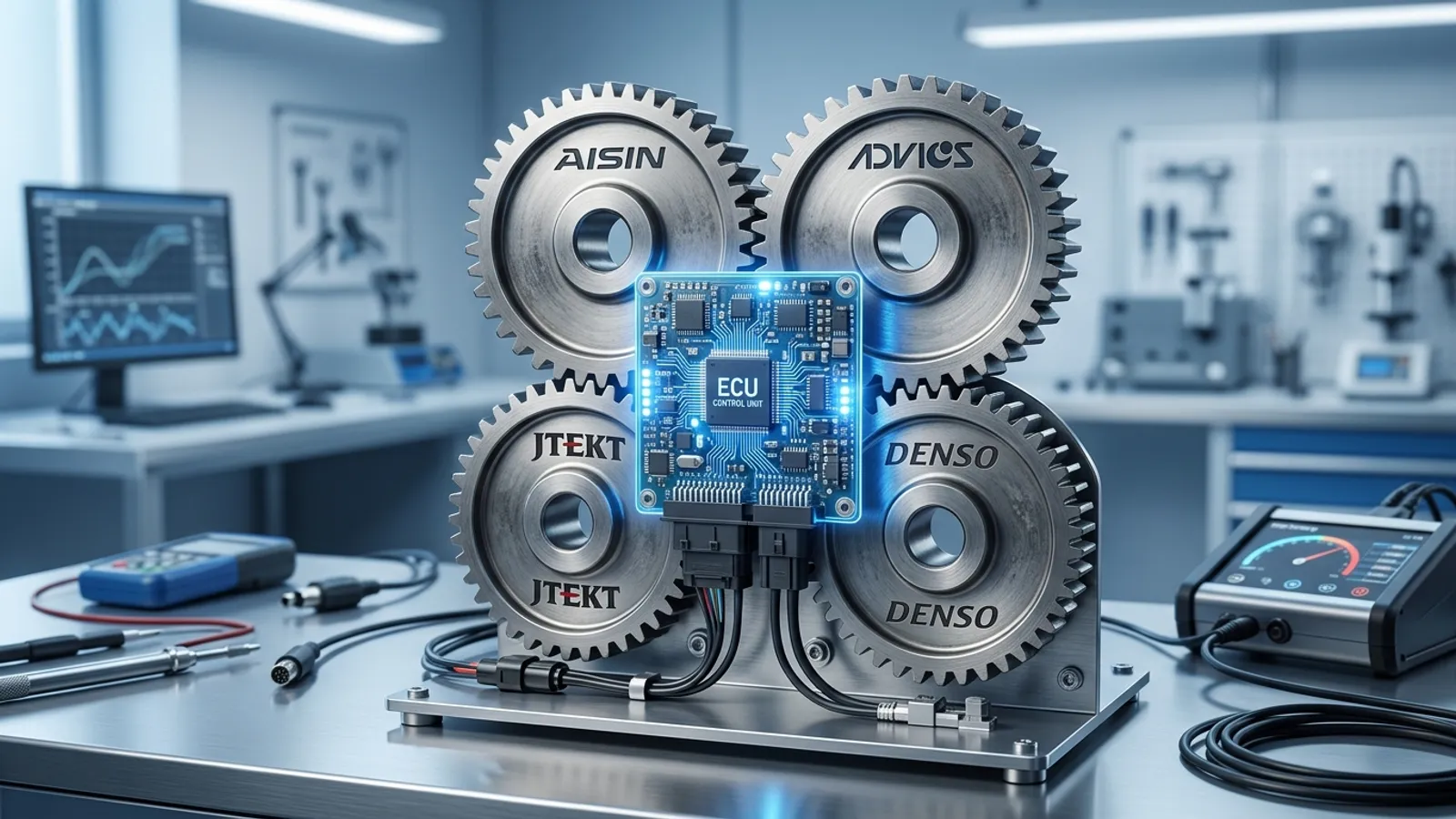
In August 2018, AISIN, ADVICS, JTEKT and DENSO announced a joint venture for integrated ECU software that centralizes automated driving and subsystem control.
The landscape of automotive electronic control is undergoing a fundamental transition from distributed architectures to highly integrated, software-defined systems. In August 2018, AISIN, ADVICS, JTEKT, and DENSO announced a basic agreement to set up a joint venture (JV) for developing integrated ECU software for automated driving (Automation.com, 2018). For the independent tuning and diagnostic sector, that 2018 move signaled a consolidation of control logic that could redefine how subsystems—such as braking, steering, and powertrain—interact.
The Shift Toward Centralized ECU Architecture
Historically, automotive systems functioned via a distributed network of Electronic Control Units (ECUs). Each component, from the braking system provided by ADVICS to the steering assemblies from JTEKT, operated with its own dedicated hardware and localized software. While this modularity allowed for easier subsystem isolation, it created significant latency and complexity for advanced automated driving functions that require millisecond-level synchronization between steering, braking, and acceleration.
The 2018 joint venture aimed to bridge these gaps by developing a unified software stack. By integrating the control logic for these disparate systems into a centralized domain controller, the Tier 1 suppliers can offer OEMs a more efficient, less redundant architecture. For professionals utilizing advanced diagnostic features, this implies a move away from querying individual modules toward interacting with a master vehicle control layer. This integration is essential for achieving higher levels of autonomy (SAE Level 3 and above), where the vehicle must execute complex maneuvers that involve simultaneous input from all motion-control subsystems.
Impact on Independent Tuning and Calibration
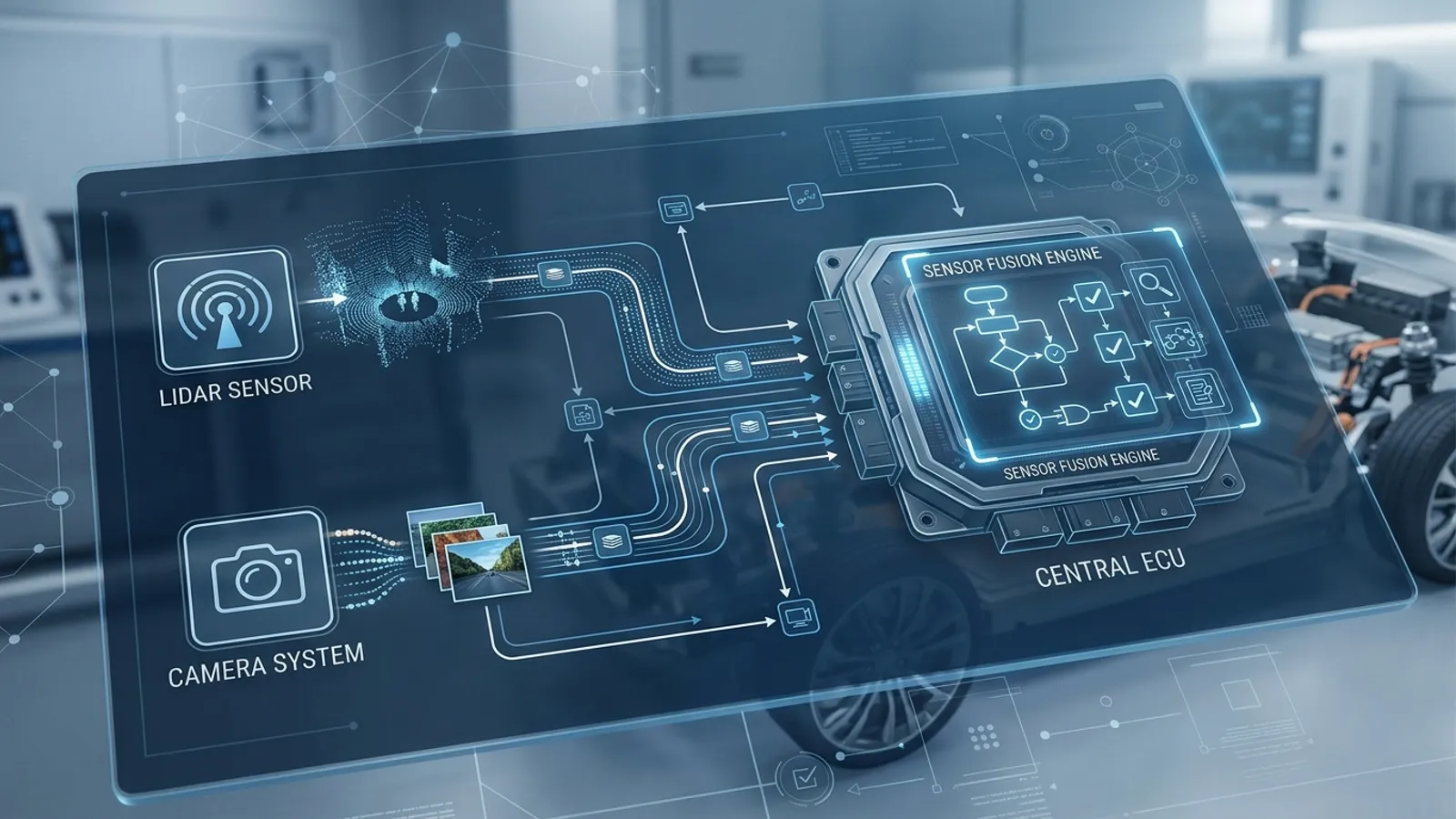
For independent tuning businesses, the integration of ECU software presents both a technical barrier and a strategic shift. When control logic for braking (ADVICS) and steering (JTEKT) is combined within a single software environment managed by DENSO and AISIN, the traditional method of intercepting signals at the component level becomes less viable. Instead, calibration must occur at the domain level, where sensor fusion—the blending of data from radar, lidar, and cameras—dictates the physical responses of the vehicle.
The complexity of these integrated stacks often involves proprietary encryption and secure gateways designed to prevent unauthorized modification of safety-critical functions. If the JV standardises its software protocols, the aftermarket will require more sophisticated tools to maintain compatibility. Understanding the investment required for these tools is a critical factor when assessing your service pricing models. Furthermore, the move toward integrated software suggests that future performance upgrades may not just be about increasing horsepower, but about optimizing the interplay between the chassis and the powertrain within the automated driving environment.
The Strategic Rationale for Tier 1 Consolidation
The 2018 decision by these four industry giants to collaborate was a defensive and offensive maneuver in the global race for Software-Defined Vehicles (SDVs). Companies like Tesla have demonstrated the efficiency of a centralized software approach, which allows for over-the-air (OTA) updates and rapid deployment of new features. By pooling their resources, AISIN, ADVICS, JTEKT, and DENSO can compete with tech-first automotive entrants and ensure that the traditional Japanese supply chain remains relevant in the age of automation.
This consolidation also facilitates a more streamlined approach to functional safety standards, such as ISO 26262. Developing software that meets ASIL-D requirements for both braking and steering is a monumental task; by sharing the development burden, these suppliers can ensure that their integrated ECU software is robust enough for mass-market deployment. Technicians looking to stay ahead of these developments can access a trial of our protocol database to see how integrated architectures are already appearing in contemporary vehicle models.
Frequently Asked Questions
What is the main goal of the AISIN, ADVICS, JTEKT, and DENSO joint venture?
The primary objective is to develop integrated ECU software that centralizes the control logic for braking, steering, and powertrain systems, specifically to support advanced automated driving capabilities.
How does integrated ECU software differ from traditional ECU setups?
Traditional setups use separate, distributed ECUs for each function. Integrated software allows a single domain controller or a group of coordinated controllers to manage multiple functions, reducing latency and hardware redundancy.
Will this joint venture affect independent tuning shops?
Yes. As software becomes more integrated and centralized, accessing and modifying specific subsystem parameters will require deeper knowledge of domain-level architectures and likely involve navigating more complex security protocols.
When will this integrated software appear in production vehicles?
The 2018 announcement covered setting up the JV. This article does not establish a production date for any vehicle using the JV's software; check OEM documentation for the models you work on.