Technology
Ford-Apple Software Deal: Technical Risks for ECU Tuners
Ford’s partnership with Apple for deep in-car software integration shifts the digital cockpit landscape. Analyze the technical implications for the tuning sector.
Ford’s partnership with Apple for deep in-car software integration shifts the digital cockpit landscape. Analyze the technical implications for the tuning sector.
The recent announcement of a deepened partnership between Ford and Apple, as reported by the Financial Times, signifies a pivot in how original equipment manufacturers (OEMs) approach the digital cockpit. For the independent ECU tuning and vehicle calibration industry, this development is not merely a change in user interface; it represents a fundamental shift in vehicle network architecture and data accessibility.
Historically, Ford utilized its proprietary SYNC architecture, often built atop QNX or Android Automotive frameworks. The transition toward a more integrated Apple-centric environment—specifically leveraging the next generation of CarPlay—implies that Apple’s software will now require access to core vehicle systems, including real-time engine telemetry, odometer data, and climate control protocols. This level of integration moves beyond simple screen mirroring and into the realm of system-level synchronization.
Technical Architecture and the Next-Gen CarPlay Framework
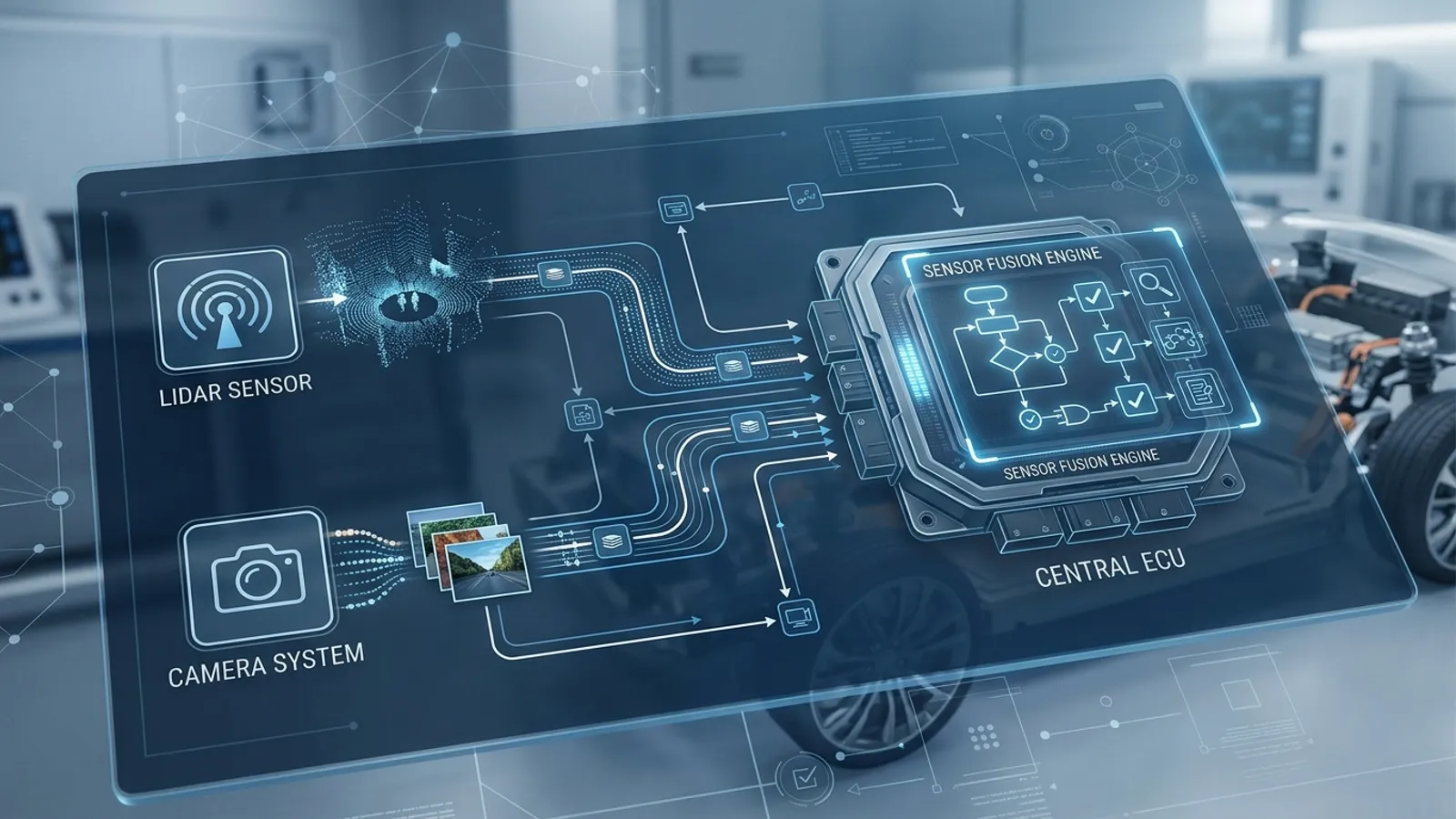
The technical foundation of the Ford-Apple deal rests on the "Next-Generation CarPlay" framework. Unlike traditional CarPlay, which operates as an isolated application layer, the new iteration is designed to take over the entire instrument cluster and auxiliary displays. To achieve this, the vehicle's gateway must provide Apple’s software with consistent access to the Controller Area Network (CAN) bus.
For calibration professionals, this raises immediate concerns regarding CAN-bus arbitration and priority. When an OEM allows a third-party software stack to command the display of critical engine data—such as RPM, coolant temperature, and boost pressure—the underlying communication protocols must be robust. However, these protocols are often proprietary. The deeper the integration of Apple’s ecosystem, the more likely Ford is to implement advanced encryption or 'Secure Gateway' (SGW) modules to protect the integrity of the data being fed to the Apple interface.
Independent tuning businesses currently rely on accessing these same data streams for logging and real-time monitoring. If the Ford-Apple integration leads to a more restrictive environment for non-sanctioned diagnostic tools, the ability to perform precise field testing and data acquisition could be compromised. Engineers utilizing the advanced data logging features of modern tuning suites must monitor whether these Ford updates include revised seed-key requirements for diagnostic sessions.
Implications for Independent ECU Calibration and Data Logging
The primary challenge for the aftermarket is the potential for 'data silo-ing.' Apple has a long-standing reputation for maintaining closed ecosystems. While the partnership aims to enhance the consumer experience, it creates a potential barrier for independent technicians who require transparent access to the vehicle's Parameter IDs (PIDs). If Ford begins to route essential telemetry through encrypted Apple-managed channels, the standard OBD-II diagnostic port may offer a degraded or filtered view of vehicle health.
Furthermore, the shift toward a software-defined vehicle (SDV) architecture, accelerated by this deal, means that software updates will be more frequent and comprehensive. Over-the-air (OTA) updates facilitated by a Ford-Apple stack could potentially reset calibration tables or identify non-factory firmware with greater efficiency. This makes the selection of a robust tuning partner and a comprehensive trial of professional tools essential for any workshop looking to maintain service levels on recent Ford models.
In Europe, where the Right to Repair (R2R) legislation remains a critical point of contention, this deal will be closely watched. If the Apple software layer acts as a de facto gatekeeper to vehicle data, it may challenge the spirit of open access required for independent workshops. Professionals should focus on diversifying their hardware capabilities to ensure they can interface with new gateway architectures that prioritize mobile-integration protocols over traditional diagnostic standards.
Connectivity and Security: The Gatekeeper Risk
Security is the stated justification for most OEM-software restrictions. By partnering with Apple, Ford is likely adopting aspects of the Apple Secure Enclave philosophy. While this improves protection against malicious actors, it also hardens the vehicle against legitimate third-party modifications. The integration of Apple’s authentication certificates into the vehicle’s communication lifecycle could mean that any hardware not carrying a 'Made for iPhone' (MFi) or similar OEM-authorized handshake will be denied access to the high-speed CAN lines.
From a B2B perspective, tuning houses must evaluate the cost of remaining compatible with these evolving systems. The investment required to reverse-engineer or gain authorized access to encrypted gateways continues to rise. It is no longer sufficient to simply modify a fuel map; the modern tuner must understand the entire telemetry pipeline from the sensor to the digital dash. Workshops should review their current tooling subscriptions to ensure they have coverage for the latest Ford firmware revisions that will accompany this Apple integration.
Strategic Recommendations for the Tuning Sector
To navigate this transition, independent tuning businesses should adopt a proactive strategy. First, prioritize tools that offer modular updates for Ford’s latest gateway modules. Second, shift focus toward 'white-hat' data acquisition methods that respect the new security layers while still providing the necessary insights for a performance calibration. Finally, the industry must remain vocal through trade associations regarding the importance of maintaining open access to the OBD-II port, regardless of which software company manages the infotainment system.
The Ford-Apple deal is a clear indicator that the car is becoming a mobile computing platform. While this offers new opportunities for integrated performance apps, it poses a significant risk of technical obsolescence for businesses that do not adapt to the era of the software-defined vehicle.
Frequently Asked Questions
Will the Ford-Apple deal prevent ECU remapping?
While the deal focuses on the infotainment and instrument cluster software, the underlying shift toward more secure, integrated architectures often includes enhanced ECU protection. It does not prevent remapping but increases the complexity of accessing and modifying firmware.
Does this affect all Ford models?
The deal is expected to roll out on upcoming models equipped with the next generation of digital cockpit hardware, likely starting with high-volume platforms like the F-150 and Mustang in select markets.
Will aftermarket gauges still work via OBD-II?
Standard OBD-II PIDs required by law for emissions will remain accessible. However, proprietary performance data used by aftermarket gauges may be moved to encrypted channels managed by the new Apple-integrated system.
How can tuners prepare for these software changes?
Ensuring your diagnostic and tuning hardware supports the latest FD-CAN (Flexible Data-rate) protocols and has active support for Ford’s Secure Gateway is the most effective preparation.