Technology
Repairify and Opus IVS Merge Diagnostic Units: Tuning Impact
Repairify and Opus IVS combine diagnostic businesses to consolidate remote OEM services, influencing how independent workshops access secure vehicle gateways.
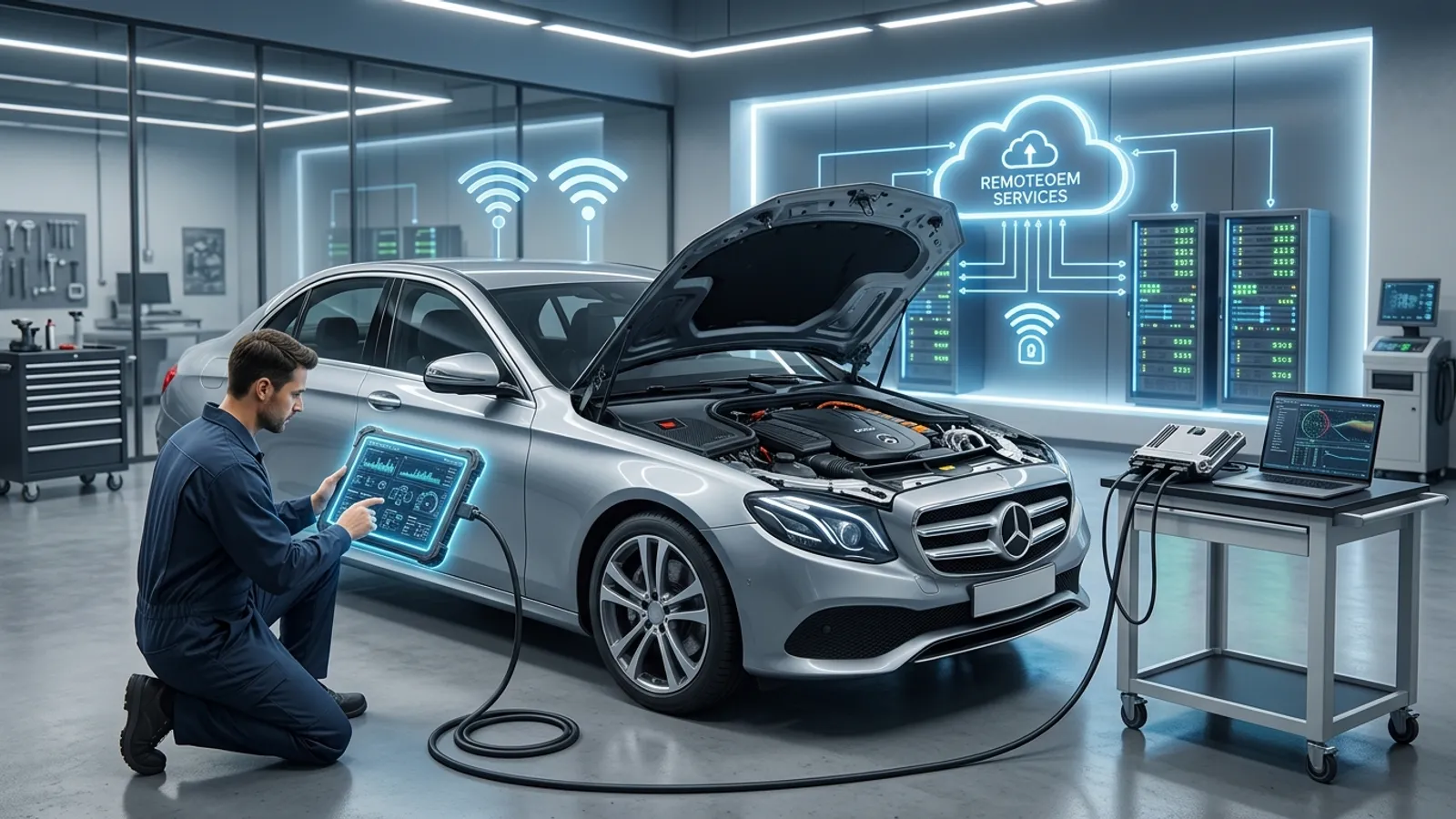
Repairify and Opus IVS combine diagnostic businesses to consolidate remote OEM services, influencing how independent workshops access secure vehicle gateways.
The landscape of automotive diagnostics has undergone a significant consolidation as Repairify and Opus IVS finalized a deal to combine their respective diagnostic business units. This merger brings together two of the most prominent providers of remote services and ADAS calibration solutions, creating a centralized infrastructure for vehicle software management and workshop toolsets. For the independent tuning sector, this shift signifies a move toward more integrated cloud-based diagnostic workflows, particularly concerning remote OEM programming and Secure Gateway (SGW) access.
The Strategic Convergence of Remote Diagnostic Giants
The remote diagnostics merger between Repairify and Opus IVS represents a structural realignment of the aftermarket service industry. Repairify, widely recognized for its asTech brand, has built a business model centered on remote OEM scanning and proprietary electronic vehicle inspections. Opus IVS, conversely, has deep roots in specialized European diagnostics through its acquisition of Autologic and the development of the DrivePro platform. By combining these entities, the organizations aim to address the increasing complexity of modern vehicle architectures, which often require OEM-level tool access to complete routine software tasks.
Independent tuning businesses often rely on these third-party remote services to facilitate pre-work health checks and post-tuning calibrations. As vehicle manufacturers implement more restrictive security protocols, the cost and technical barrier for individual shops to maintain multiple OEM subscriptions have risen. This consolidation suggests a future where a single hardware interface may provide streamlined access to a wider array of OEM-licensed data and remote technical assistance, potentially reducing the hardware fragmentation currently seen in high-end diagnostic bays.
According to reports from Tire Review: Repairify and Opus IVS combine diagnostics businesses and AftermarketNews: Repairify and Opus IVS complete combination, the transaction is designed to leverage the complementary strengths of both brands. While the corporate structures are merging, the focus remains on the delivery of remote programming capabilities that allow shops to perform tasks that previously required a dealership visit.
Implications for Independent Tuning and Coding Workflows
For workshops engaged in performance tuning and ECU remapping, the integrity of the diagnostic chain is paramount. The integration of Repairify and Opus IVS assets likely points toward a more robust remote J2534 passthrough infrastructure. When an independent tuner encounters a vehicle with an active Secure Gateway or a component that requires online SCN (Software Calibration Number) coding after a hardware swap, they often turn to remote service providers. The merged entity will control a vast portion of the intellectual property and technician pool required to perform these remote sessions.
Technical professionals should monitor how this consolidation affects tool pricing and subscription models. Currently, many shops utilize an Opus IVS tablet for European coding and an asTech device for American and Asian OEM remote sessions. A unified ecosystem could simplify the physical tool requirements, but it also raises questions about market competition. For those evaluating their current shop equipment, exploring our features section can provide insights into how modern software tools integrate with such diagnostic hardware. The industry is moving toward a "Diagnostics-as-a-Service" model, where the physical hardware is secondary to the cloud-based authentication and OEM data pipeline.
Furthermore, the merger is expected to accelerate the development of automated diagnostic routines. By combining the data lakes of both organizations, the new entity can improve the accuracy of its remote recommendations, helping tuners distinguish between software-induced faults and underlying mechanical issues before a file is written to the ECU. This level of due diligence is essential for maintaining high reliability in the aftermarket tuning space.
ADAS, Secure Gateway, and the Future of Cloud-Based Calibration
Beyond the ECU, the merger heavily impacts Advanced Driver Assistance Systems (ADAS). ADAS calibration is no longer an optional service; it is a mandatory step following many mechanical repairs or suspension modifications often performed in conjunction with tuning. Repairify has invested heavily in ADAS identification and calibration validation. Combining this with Opus IVS’s diagnostic depth allows for a more holistic approach to vehicle service. When a vehicle is modified for performance, ensuring the ADAS sensors remain within functional parameters is a legal and safety requirement.
The challenge for the independent sector has always been the investment required for multiple OEM-specific tools. The consolidated Repairify/Opus IVS entity will likely push for broader adoption of their "all-in-one" remote platforms. This allows a shop in a remote location to connect a vehicle to a master technician at a central hub who then performs the calibration remotely via the cloud. This trend is a direct response to the "Right to Repair" tensions currently shaping the industry, as it provides a commercial pathway for independent shops to remain technically relevant without the prohibitive cost of 20+ different OEM diagnostic laptops.
Interested parties can evaluate the current market offerings by starting a trial of our data management platforms, which are designed to complement professional diagnostic hardware. As the technical barriers to entry continue to shift, the value of verified, high-quality technical data and remote support becomes the primary differentiator for independent tuning houses.
Frequently Asked Questions
How does this merger affect my existing asTech or Opus IVS hardware?
Current indications suggest that both brands will continue to support their existing hardware fleets in the short term. However, long-term roadmaps likely involve a unified software platform that merges the capabilities of both ecosystems to streamline support and updates.
Will this consolidation lead to higher prices for remote coding?
While market consolidation can lead to reduced competition, it also offers operational efficiencies that may stabilize pricing. The primary driver of cost remains the licensing fees charged by vehicle manufacturers for OEM data access.
Does this impact Secure Gateway (SGW) unlocking for tuners?
Yes. Both companies have established pathways for SGW access. A combined entity will likely offer a more seamless experience for unlocking modern vehicles (such as those from the Stellantis or VAG groups) to allow for diagnostic and tuning operations.
Can I still use these tools for pre-tuning health checks?
Absolutely. The merger is intended to enhance the reliability of remote scans. Performing a full system scan with an OEM-validated tool before modifying ECU parameters is a best practice that reduces the risk of liability for the tuner.
What should independent tuners look for in their next tool purchase?
Tuners should prioritize tools that offer flexible remote support options and verified J2534 compatibility. The ability to switch between local diagnostic software and a remote OEM session via the same interface is becoming the industry standard. For more information on pricing structures for diagnostic-adjacent services, visit our pricing page.